Introduction: Construction Costs & Cement Prices in Tanzania
As a Senior Quantity Surveyor advising international clients and the Tanzanian Diaspora, I have observed that the modern market brings a unique set of challenges to the construction sector. Driven by global inflation and fluctuating domestic logistics costs, the current price of a cement bag in Tanzania has become a vital metric for anyone planning a project today. Whether you are building a modern villa in Kigamboni or a commercial block in Dodoma, your budget must reflect the latest reality.
In the current landscape, the retail price for a 50kg bag of cement in Tanzania typically ranges between TZS 18,500 and TZS 25,000 ($7.00 - $9.50 USD). These prices are heavily influenced by transport logistics and the massive demand from ongoing strategic infrastructure projects. For our Diaspora investors, tracking these prices is the most effective way to audit your site managers and prevent "inflated invoice" syndromes.
This guide provides a professional breakdown of the costs of materials, labor, and the technical standards required to build safely and cost-effectively in today's environment.
Breakdown of Cement Brands and Market Prices
Tanzania’s cement industry remains highly competitive. However, brand reputation and logistical reach continue to dictate price points. Below are the standard retail rates in the current market:
| Brand Name | Grade / Type | Price (Dar es Salaam) | Price (Upcountry) | Recommended Application |
|---|---|---|---|---|
| Twiga Cement (TPCC) | 42.5N (Twiga Plus) | 20,500 - 21,500 TZS | 23,000 - 26,000 TZS | Slabs, Columns, Heavy Concrete |
| Twiga Cement | 32.5N (Twiga Jenga) | 19,000 - 19,500 TZS | 21,000 - 23,000 TZS | Brickwork, Plastering, Screeding |
| Dangote Cement | 42.5R (High Strength) | 19,500 - 20,500 TZS | 22,000 - 24,500 TZS | Multi-story, Rapid setting |
| Simba Cement | 42.5N | 19,500 - 20,500 TZS | 21,500 - 24,000 TZS | General structural engineering |
| Kilimanjaro / Camel | 32.5N | 18,000 - 19,000 TZS | 20,500 - 22,500 TZS | Masonry and non-structural walls |
Technical Insight: 32.5N vs 42.5N
With material costs shifting, "Value Engineering" is essential for modern builders.
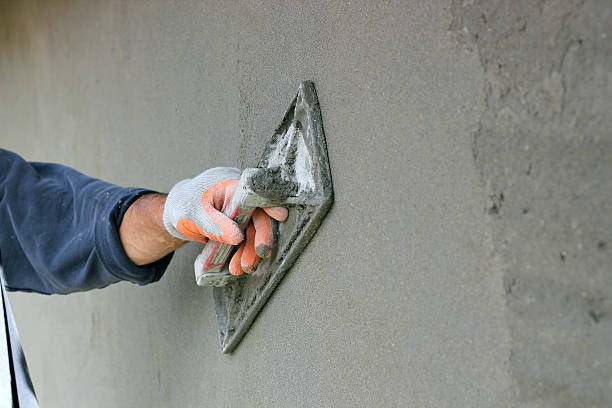
Grade 32.5N: Is more than sufficient for standard bungalow walls and plaster. Using high-strength cement for simple plastering is a common waste of budget.
Grade 42.5N/R: This remains mandatory for all load-bearing elements. Building inspectors are becoming stricter; ensuring the correct grade is used for beams and slabs is vital for both safety and legal compliance.
Associated Material Costs (Latest Estimates)
To provide a realistic Bill of Quantities (BOQ), you must account for other essential materials:
- River Sand (Mchanga): A standard 15-18 ton truck currently costs TZS 250,000 - 350,000 in the Dar es Salaam periphery. Prices vary as mining sites move further from city centers.
- Aggregates (Kokoto): A 15-18 ton trip of machine-crushed stone ranges between TZS 650,000 and 850,000. I strongly advise against hand-crushed stones for long-term structural integrity.
- Water: For sites without a borehole, budget TZS 150,000 - 250,000 per month for construction water logistics.
Modern Labor Rates: The Market Standard
Labor costs have adjusted to the current cost of living. Below are the modern benchmark rates:
1. Daily Rates (Day Work)
Master Mason (Fundi): TZS 35,000 - 55,000 per day.
Helper (Kibarua): TZS 15,000 - 20,000 per day.
2. Output-Based Rates (Lump Sum)
This is the safest way for Diaspora owners to manage costs.
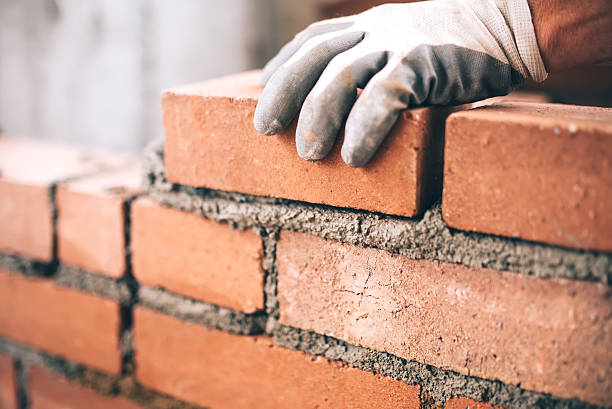
Block Laying: TZS 500 - 900 per 6-inch block.
Plastering: TZS 3,500 - 5,500 per square meter.
Concrete Casting: TZS 35,000 - 60,000 per bag of cement (mixing and pouring labor).
Strategic Budgeting Table (Standard 3-Bedroom House)
| Construction Phase | Est. Cement Bags | Est. Cost (TZS @ 20k/bag) | Est. Cost (USD) |
|---|---|---|---|
| Foundation & Floor Slab | 50 | 1,000,000 TZS | $385 |
| Main Walls (Boma) | 40 | 800,000 TZS | $310 |
| Lintels, Beams & Columns | 25 | 500,000 TZS | $195 |
| Internal/External Plaster | 60 | 1,200,000 TZS | $465 |
| Flooring & Finishing | 35 | 700,000 TZS | $270 |
| TOTAL ESTIMATE | 210 Bags | 4,200,000 TZS | ~$1,625 |
Professional Conclusion
Building in Tanzania today requires strict oversight. With the average price of cement now hovering around TZS 20,000, material waste can quickly derail your project. Always verify your site inventory, use professional Quantity Surveyors for your BOQs, and never compromise on cement grades for structural elements.
Frequently Asked Questions (FAQs)
Why does cement price vary between Dar es Salaam and upcountry?
The variation is almost entirely due to transport costs. Major factories are located near the coast (Dar es Salaam/Tanga), meaning regions like Mwanza, Kigoma, or Mbeya incur higher "shushaji" and transport fees.
How many blocks can I make from one bag of cement?
For high-quality vibrated blocks (6-inch), you should aim for 28-32 blocks per bag. For standard masonry blocks made on-site, the standard is 40-45 blocks to maintain structural integrity.