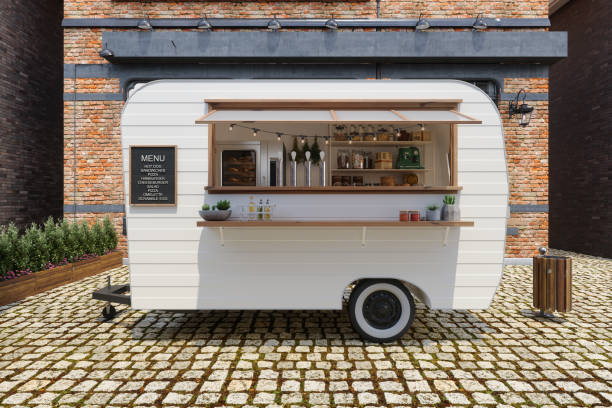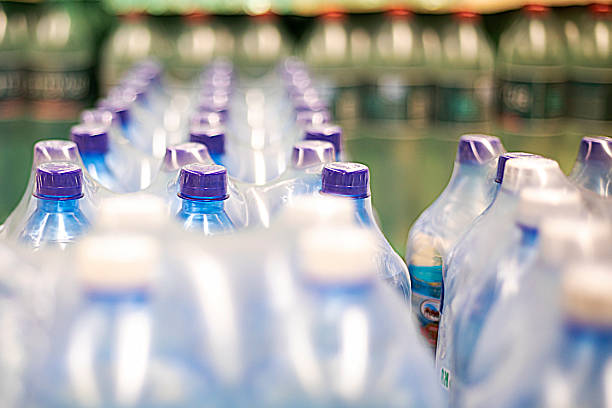
Introduction: The Beverage Business Opportunity in Tanzania
Due to the hot climate in many parts of Tanzania such as Dar es Salaam, Tanga, Morogoro, and Dodoma, the soft drinks business remains one of the most resilient sectors in the Fast-Moving Consumer Goods (FMCG) industry. In the current market, "thirst does not wait," and the demand for clean bottled water, carbonated soda, and natural fresh juices continues to grow due to rapid urbanization and a rising middle class.
This modern guide provides a roadmap for starting this business, whether you intend to run a wholesale beverage depot, a retail "duka," or a fresh juice processing venture. We cover current equipment costs, sourcing from giants like Bakhresa (Azam) and Coca-Cola, and how to navigate the latest regulatory environment.
Requirements and Preparation (Capital & Equipment)
Success in the beverage business depends on two things: a strategic location and the ability to serve drinks at the right temperature. Below are the core requirements based on current market standards:
-
Business Location (Shop Frame or Kiosk):
High-traffic areas are essential. Securing a frame near bus stops (Stendi), schools, or busy markets like Mabibo, Buguruni, or Kariakoo guarantees consistent sales.
Current Cost: Rent for a frame in high-density residential areas averages TZS 70,000 - 150,000 per month. In prime urban areas, it ranges from TZS 250,000 - 600,000. Landlords typically require 6 months upfront. -
Cooling Equipment (Fridges and Freezers):
This is your most important investment. Tanzanian consumers prioritize drinks that are "Meno ya Mbwa" (ice-cold). While companies like Coca-Cola or Pepsi offer branded fridges to loyal vendors, owning your own fridge allows you to mix brands (e.g., stocking both Azam and Mo Extra).
Current Cost: Quality used display fridges cost TZS 400,000 - 700,000. New energy-efficient models range from TZS 900,000 - 1,800,000 depending on the size and brand. -
Initial Stock (Crates and Cartons):
A balanced stock includes crates of soda, bottled water, and energy drinks. If focusing on fresh juice, a "Heavy Duty" commercial blender is required.
Current Cost: Initial stock for a retail shop is TZS 700,000 to 1,500,000. For a wholesale depot, starting capital currently requires at least TZS 7,000,000 to 15,000,000. -
Licenses and Permits (TRA and TBS):
You must register for a Taxpayer Identification Number (TIN) at TRA. If you are packaging your own fresh juice for resale, TBS certification and OSHA compliance are mandatory.
Current Cost: Small business presumptive tax usually starts at TZS 150,000 per year. A Municipal business license and health permit cost approximately TZS 50,000 - 100,000 depending on your location.
In-Depth Business Analysis
Best Business Locations
In the beverage world, location equals turnover. The most profitable spots in the current landscape are:
1. Major Terminals: Near Magufuli Bus Terminal (Mbezi) or regional daladala hubs.
2. Construction Sites: Workers in developing areas have high demand for water and energy drinks.
3. Health Centers & Schools: High concentrations of people needing hydration throughout the day.
Product Sourcing (Supply Chain)
To protect your margins, you must source correctly.
Main Distributors: Identify the authorized "Area Distributor" for Bakhresa (Azam), Coca-Cola Kwanza, or SBC (Pepsi). Buying from these distributors or directly from their "Route Sale" trucks ensures you get the factory price, avoiding middleman markups.
Operational Tactics: Fresh Juice vs. Industrial Drinks
Choose your model based on your expertise:
1. Industrial/Bottled Drinks: Low profit per unit but very high volume and zero spoilage risk.
2. Fresh Juice & Smoothies: Very high margins (up to 200% profit). However, this requires strict hygiene as fresh juice spoils quickly without proper refrigeration.
Pros and Challenges
Benefits of the Beverage Business
- Daily Cash Flow: This is a "cash-and-carry" business that provides immediate liquidity.
- Inventory Stability: Bottled water and sodas have long shelf lives, reducing the risk of loss compared to perishable foods.
- Essential Demand: Even in a fluctuating economy, the demand for affordable water and basic refreshments remains stable.
Current Challenges and Solutions
- Electricity Costs: Running multiple fridges can eat into profits.
Solution: Use "Inverter" technology appliances and keep freezers full to retain cold longer during power cuts. - Intense Competition: Most grocery stores sell drinks.
Solution: Differentiate by ensuring your drinks are ALWAYS the coldest in the area and by offering modern payment options like Lipa kwa M-Pesa/Tigo Pesa.
Marketing and Competitive Strategies
- The "Ice Crystal" Factor: Serving a soda that is slightly slushy with ice crystals is the most effective marketing tool in Tanzania.
- Professional Packaging: For fresh juice, use branded stickers and tamper-proof seals to build brand trust.
- Office & Salon Delivery: Many workers cannot leave their desks. Offering delivery for orders to nearby offices or salons creates loyal, repeat customers.
Frequently Asked Questions (FAQ)
Question: How do I qualify for a free fridge from a big company?
Answer: You usually need a permanent shop frame, a trading license, and a commitment to order a minimum number of crates per week. Note that exclusivity agreements usually apply.
Question: What is the average profit per crate of soda?
Answer: Depending on the source, the profit per crate currently ranges between TZS 1,500 and TZS 3,000. Profits are significantly higher for bottled water sold at retail.
Conclusion
The beverage business in Tanzania is a sustainable path to financial independence if you prioritize coldness, hygiene, and location. While the margins per bottle may seem small, the high turnover in a tropical climate makes it a high-growth venture. Start with what you have, maintain excellent customer service, and scale as your volume grows.