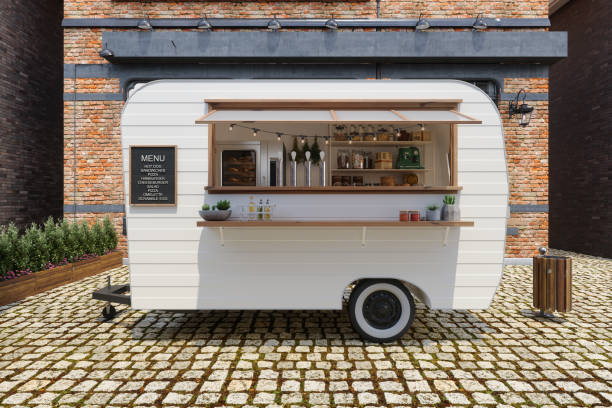
Street Food Business in Tanzania: Low Capital, Fast Returns
Introduction: The Street Food Culture
In Tanzania, the street food business is more than just entrepreneurship; it is a part of daily life. From the famous "Chipsi Mayai" (Chips and Eggs) in Dar es Salaam and "Urojo" in Zanzibar, to "Octopus Soup" and morning "Vitumbua" (Rice cakes) in the regions, this industry feeds millions of Tanzanians who lack the time to cook or the budget for large restaurants. Currently, due to urbanization and long working hours, the demand for fast, affordable food has doubled.
This opportunity is golden for any entrepreneur. Unlike other businesses, food is a necessity, and its cash flow is daily. This article will show you how to enter this market with capital that fits your capacity, ranging from a small "Mama Lishe" stall to a modern food kiosk.
Requirements and Preparation (Capital & Equipment)
The capital for this business depends heavily on the type of food you want to sell. However, these are the basic requirements for an average business (like a fries stand or food stall):
- Business Location or Cart (Mkokoteni):
This is the primary requirement. You might need to rent a small frame, a tin shack, or build a pushcart.
Cost: A good steel pushcart can cost between TZS 300,000 - 500,000. Renting a space to place tables on the street (Municipal permit) can be around TZS 20,000 per month depending on the local council. - Kitchen and Cooking Equipment:
You will need a stove (charcoal or gas, with gas being better for saving time), a large frying pan, pots, and cutlery (plates, spoons).
Cost: Set aside approximately TZS 200,000 - 350,000 for a durable stove, gas cylinder, and starter utensils. - Legal Permits:
This is where many fail. To avoid harassment from auxiliary police (Mgambo), you need a Health Permit from the Ward or Municipal Health Officer, and sometimes a petty trader business license.
Cost: Budget for these permits ranges between TZS 50,000 - 80,000 per year. - Initial Stock (Ingredients):
Cooking oil, potatoes, flour, eggs, charcoal/gas, and spices.
Cost: Starting working capital can be around TZS 100,000.
In-Depth Business Analysis
Ideal Business Location
Street food business relies on foot traffic. The best locations are:
1. Bus Terminals (Stendi): For example, Magufuli Bus Terminal or local daladala stops. Here, passengers and drivers need quick food.
2. Boda Boda Stages: Motorcycle taxi drivers are major customers for tea, chapati, and soup in the morning.
3. Near Universities or Offices: Students and office workers prefer affordable food during lunch hours.
Operational Tactics and Hygiene
The secret to longevity in this business is Hygiene and Taste. Many Tanzanians are now educated on health matters; they will not eat in a dirty or fly-infested place.
Start small by ensuring the cook (if not you) is clean, wearing a white apron and cap. Food should be prepared in front of the customer (like fries) or covered well. Build friendships with your customers; the food business is a relationship business.
Pros and Challenges
Benefits of Street Food Business
- Daily Cash Flow: This is a business that gives you cash every single day. No waiting for the end of the month.
- Low Capital: You can start with a capital of less than TZS 300,000 (for small ventures like fried cassava or rice cakes) and grow.
- No Specific Season: People eat every day, whether it rains or shines.
Challenges and Solutions
- Authority Harassment (Mgambo/Health Officers): Often, petty traders are evicted from informal areas.
Solution: Follow procedures. Find a location recognized by the Local Government and pay the requisite levies or cleaning fees. Having a health permit is your biggest shield. - Rising Food Prices: The price of cooking oil, potatoes, or flour fluctuates frequently.
Solution: Buy items in bulk (Stock) at major markets (like Kariakoo, Mabibo, or Tandale) instead of retail shops to reduce costs. - Food Perishability: Unsold food spoils.
Solution: Start by cooking small amounts while reading the market. Do not cook more food than the estimated customers for that day.
Marketing and Competition Strategies
Even for a street business, marketing is essential to beat the competition:
- Appearance (Branding): Paint your cart or stall. Give it a catchy name (e.g., "Kwa Mama Neema - Best Food"). Staff should wear clean uniforms.
- 'Foot Delivery' Service: If you are near offices or shops, create a system to deliver food to people at their desks during lunch. Give them your phone number to order via WhatsApp.
- Bonuses (Nyongeza): Tanzanians love extras or 'plenty of Kachumbari' (salad). Do not be stingy with small things that attract customers.
Frequently Asked Questions (FAQ)
Q: Do I need to register this business with BRELA?
A: To start as a hawker or small food vendor, it is not strictly necessary. More important is the Health Permit and the Entrepreneur's ID. When you grow and open a full restaurant, that is when BRELA becomes relevant.
Q: Which food business is most profitable to start with?
A: Breakfast business (Tea, Chapati, Donuts/Rice Cakes) has high profit margins and fast turnover in the morning, and does not require as much heavy stock capital as meat or fries.
Conclusion
The street food business in Tanzania is the primary school of entrepreneurship. It has its challenges, especially regarding management and authorities, but its profit is guaranteed for those who observe hygiene and quality. Do not despise starting with a single charcoal stove; many large restaurants you see today started on the roadside. Research your location, get your health permit, and start cooking today.