Introduction: The Reality of Finishing Costs
In the world of Gharama za Ujenzi Tanzania (Construction Costs in Tanzania), the plastering phase is a pivotal moment. It transforms a rough skeleton of blocks and concrete into a habitable home. For Tanzanians in the Diaspora or investors, this stage is often where "hidden costs" appear if not properly managed, primarily due to material wastage and inconsistent labor rates.
Current Cost Estimate (Featured Snippet)
The estimated cost to plaster a standard 2-bedroom house (approx. 80-90 sqm floor area, ~350-400 sqm wall area) in Tanzania currently ranges from TZS 2.5 Million to TZS 4.0 Million ($950 - $1,500 USD).
This budget covers:
- Materials (Cement, Sand, Water): TZS 1.5M - 2.0M
- Labor (Fundi Fees): TZS 1.2M - 1.8M
- Logistics (Transport & Scaffolding): TZS 200k - 400k
Note: If your walls are crooked (not plumb), material costs can rise by up to 30% to level the surfaces.
Detailed Material Breakdown
Quality plastering requires specific ratios. Using the wrong sand or insufficient cement leads to "hollow" sounds in your walls and eventual crumbling. The following breakdown assumes current market rates in major urban centers.
1. Cement Requirements
While structural works require high-strength cement (42.5N), plastering is often done with general-purpose cement (32.5N). This grade sets slightly slower, allowing the mason time to smooth the surface perfectly without premature cracking.
| Material | Estimated Quantity | Price Range (TZS) | Total Estimate (TZS) |
|---|---|---|---|
| Cement (General Purpose) | 35 - 45 Bags | 18,500 - 21,000 | ~850,000 |
2. Sand Types and Volumes
In the current Tanzanian market, sand is typically sold by the truckload (trip). You need two distinct types:
- River Sand (Mchanga wa Mto): Coarse and clean. Used for the first coat (roughing).
- Pit Sand/Fine Sand (Mchanga wa Kufanyia Faini): Smoother texture used for the final layer to give a sleek finish.
| Sand Type | Quantity (15-Ton Truck) | Price per Trip (TZS) | Total Estimate (TZS) |
|---|---|---|---|
| Coarse River Sand | 1.5 Trips (Approx 20 Tons) | 250,000 - 300,000 | ~450,000 |
| Fine Sand (Pit Sand) | 1 Trip (Approx 15 Tons) | 180,000 - 220,000 | ~200,000 |
Labor Costs: Understanding the "Fundi" System
Labor costs in Tanzania are generally managed in two ways:
Option A: Measured Work (Highly Recommended)
You pay per square meter. This is the most transparent method for modern construction.
Current Rate: TZS 3,000 - 4,500 per square meter.
For a 2-bedroom house with roughly 400 sqm of wall space (internal + external), the labor cost would be approx. TZS 1,400,000.
Option B: Lump Sum Contract
You agree on a fixed fee. Use this only with a trusted technician or a clear written agreement to avoid "mid-project" price hikes.
Typical Range: TZS 1,200,000 - 1,800,000 for a 2-bedroom unit.
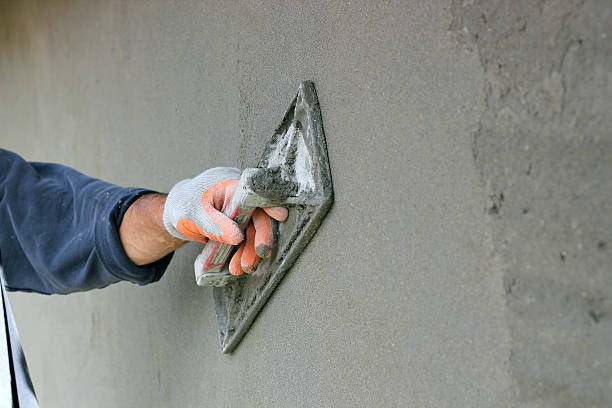
The Modern Plastering Process
- Surface Curing: Walls must be soaked with water a day before to prevent the blocks from sucking moisture out of the new mortar.
- Scaffolding (Skafoli): External walls require wooden or metal scaffolding. This is often a separate cost for poles and timber.
- Establishing Gauges: The mason uses plumb lines and spirit levels to create "vifungo" (dots) to ensure the wall is perfectly vertical.
- Rough & Finish Coats: The coarse layer provides strength, while the fine layer provides the smooth surface ready for paint.
Factors That Inflate Costs
- Wall Alignment: If your bricklayer did a poor job, the plasterer must use more cement and sand to level the wall.
- Water Source: Plastering consumes high volumes of water. If you must buy water by the bowser (Boza), your budget will increase.
- Location: Sites in steep hills (like parts of Mwanza) or sandy terrains (like Kigamboni) often face higher delivery fees for sand.
Summary Budget Table
Consolidated budget for a standard finish 2-bedroom house in a modern urban setting:
| Item | Low Estimate (TZS) | High Estimate (TZS) |
|---|---|---|
| Cement (Approx 40 Bags) | 750,000 | 850,000 |
| Sand (River & Fine) | 450,000 | 650,000 |
| Labor (Measured/Contract) | 1,200,000 | 1,800,000 |
| Scaffolding & Water | 200,000 | 350,000 |
| Misc (Wire Mesh, Nails) | 100,000 | 150,000 |
| GRAND TOTAL | 2,700,000 | 3,800,000 |
Conclusion
Plastering a two-bedroom house in Tanzania is a manageable project ranging between TZS 2.5M and 4.0M in the current market. The difference between a premium look and a cheap one lies in the skill of the mason in leveling the walls. Always verify receipts and check for "hollow" spots on the wall before making final labor payments.
Frequently Asked Questions (FAQs)
How many bags of cement cover a standard wall?
A standard rule of thumb is that one bag of cement (50kg) covers approximately 12 to 15 square meters of wall area at a standard thickness.
How long should I wait before painting?
In the Tanzanian climate, you should wait at least 21 to 28 days. Painting on "green" or damp plaster traps moisture, which leads to peeling paint later.