Introduction: Project Overview & Cost Estimation
Building a home is a significant investment, and for many in Tanzania—including the Diaspora community looking to invest back home—starting with a single, self-contained unit is a practical entry point. The category of Gharama za Ujenzi Tanzania (Construction Costs in Tanzania) varies depending on location and taste, but having a baseline budget is crucial to avoid stalled projects.
If you are looking for a direct answer regarding the budget for a high-quality, fully finished single room (Master Bedroom suite with toilet and porch):
Estimated Budget Range
In the current market, the total cost to build a single room house until move-in ready ("Full Finish") ranges between TZS 5,000,000 and TZS 7,000,000 (Approx. USD $1,900 - $2,700). This covers materials, labor, transport, and standard high-quality finishing like tiles, gypsum ceilings, and aluminium windows.
This guide provides a comprehensive breakdown of these costs, labor expectations, and the logistical realities of building in Tanzania today.
1. Detailed Material Breakdown
To ensure transparency, we have split the costs into two phases: The "Boma" (Superstructure) and "Finishing". Prices are based on average rates in commercial hubs like Dar es Salaam and may vary slightly in regions like Arusha, Mbeya, or Mwanza.
Phase 1: Structure & Roofing (The Boma)
| Item / Material | Quantity | Unit Price (TZS) | Total (TZS) |
|---|---|---|---|
| Cement Blocks (6 Inch - Solid) | 600 | 1,400 - 1,600 | ~900,000 |
| Cement (Grade 42.5N) | 25 bags | 18,500 - 21,000 | ~500,000 |
| River Sand (7-ton Lorry) | 2 trips | 200,000 - 250,000 | ~450,000 |
| Aggregates/Kokoto (4-ton) | 1 trip | 220,000 | 220,000 |
| Iron Bars (12mm for Lintel) | 6 pcs | 28,000 | 168,000 |
| Timber (2x2 for purlins) | 20 pcs | 5,000 | 100,000 |
| Timber (2x4 for rafters) | 15 pcs | 8,500 | 127,500 |
| Iron Sheets (Gauge 28/30) | 12 sheets | 28,000 - 35,000 | ~380,000 |
| Nails & Small Hardware | Assorted | - | 50,000 |
| Sub-Total (Structure) | ~2,895,500 |
Phase 2: Finishing Costs
Finishing is where costs can escalate based on the quality of accessories. The prices below reflect a modern, high-standard finish.
| Item | Description | Total (TZS) |
|---|---|---|
| Aluminium Windows | 1 Large Sliding + 1 Toilet Window | 380,000 |
| Doors (Hardwood) | Main Door + Toilet Door + Frames | 500,000 |
| Floor & Wall Tiles | Boxes, Grout, & Cement | 500,000 |
| Ceiling (Gypsum) | Boards, Framing, & Cornices | 300,000 |
| Electrical Installation | Wiring, Switches, & Modern Lights | 250,000 |
| Plumbing Works | Fittings, Toilet Seat, & Shower | 350,000 |
| Painting | Primer, Silk Paint, & Weather guard | 220,000 |
| Sub-Total (Finishing) | ~2,500,000 |
2. Labor Costs (Gharama za Ufundi)
In Tanzania, labor is typically negotiated as a "Lump Sum" (Ijumla) for the whole project. In today's market, the labor for a single room is estimated as follows:
- Builder (Fundi Mawe): TZS 350,000 - 500,000. Covers foundation, wall laying, and floor screeding.
- Roofer: TZS 100,000 - 200,000.
- Finisher (Plaster & Paint): TZS 300,000.
- Tiler & Gypsum Technician: TZS 250,000 - 350,000.
- Electrician & Plumber: Combined ~TZS 250,000.
3. Step-by-Step Construction Process
Understanding the workflow helps you monitor progress, especially if building from the Diaspora.
Step 1: The Substructure
This involves clearing the site, digging trenches, and laying the foundation wall. A waterproof membrane (DPM) should be placed under the concrete to prevent dampness rising from the ground, which is a common problem in coastal areas like Dar es Salaam.
Step 2: The Superstructure
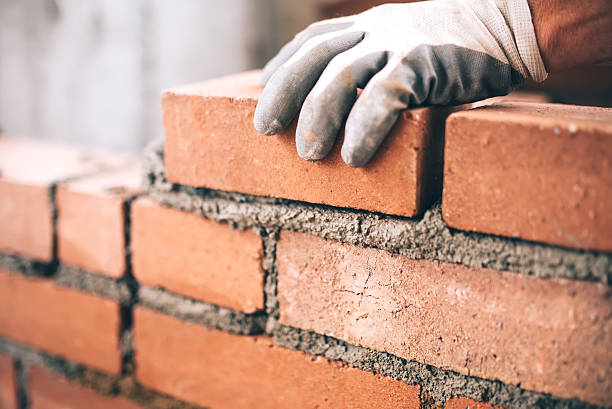
Walls are raised to a standard height of roughly 3 meters. A "Lintel" beam (reinforced concrete belt) is cast above door and window levels to tie the walls together and prevent future structural cracks.
Step 3: Roofing
Timber must be treated with anti-termite chemicals before installation. While Gauge 30 sheets are an economy choice, Gauge 28 is the current recommendation for long-term residential durability.
Step 4: The Finishing Phase
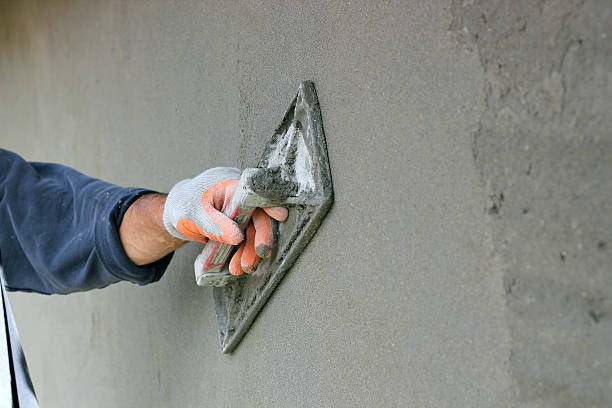
Once the structure is roofed, the "rough" works (piping) are done before plastering. This is followed by gypsum installation, tiling, and finally painting and fixing electrical/plumbing fixtures.
4. Factors Affecting Current Costs
- Location Logistics: If your plot is in a sandy or rocky area, your foundation reinforcement costs will rise.
- Transport ("Bebea"): If a large lorry cannot reach your plot, you will pay extra for smaller vehicles or manual labor to move materials to the site.
- Material Quality: Using premium brands for cement and paint increases the budget but significantly reduces long-term maintenance costs.
5. Conclusion
Building a single self-contained room in Tanzania with a modern budget of TZS 5 Million to 7 Million allows for a comfortable and durable structure. While it is possible to build for less by skipping tiles and gypsum, the quality and rental value will be lower.
Pro Tip: Always buy materials yourself or through a trusted manager. Verify market prices at major hardware stores in Kariakoo or regional hubs before releasing funds to your 'Fundi'.
Frequently Asked Questions (FAQs)
Can I build this in phases?
Yes. Many owners build the "Boma" (structure + roof) first and complete the finishing as funds become available.
What is the difference between Gauge 28 and Gauge 30 Iron Sheets?
Gauge 28 is thicker and more resistant to rust and wind damage. It is the modern standard for permanent residential buildings in Tanzania.
Are these prices the same in every region?
These are baseline prices for commercial hubs. In remote regions, transport costs for cement and iron sheets may be higher, though local materials like sand and stones might be cheaper.