The Best National Parks in Botswana: A Complete Guide
Botswana is often described by veteran travelers and conservationists as the "Jewel of the Kalahari." Unlike any other destination in Africa, it presents a dramatic study in contrasts: the parched, fossilized riverbeds of the central deserts versus the lush, life-sustaining waterways of the Okavango Delta. For the discerning traveler, a Botswana safari is not merely a vacation; it is a pilgrimage to one of the last true wildernesses on Earth.
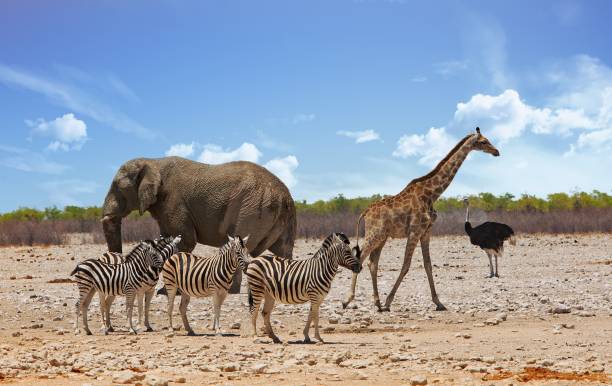
This is a country that has boldly championed a "high-value, low-volume" tourism model. The result? Uncrowded reserves where you are far more likely to see a pack of wild dogs hunting impala than a traffic jam of safari vehicles. From the elephant-dense banks of the Chobe River to the surreal salt flats of the Makgadikgadi, the landscape shifts violently and beautifully, offering a diverse range of habitats for the best national parks in Africa.
In this comprehensive guide, we will explore the protected areas that make Botswana a tier-one destination for Southern Africa travel. We will break down the specific vibes of each park, the best times to visit for optimal wildlife viewing, and the logistical realities of navigating this vast, sparsely populated nation.
Quick Comparison: Top 5 National Parks & Reserves
| Park Name | Best For | Key Wildlife | Best Time |
|---|---|---|---|
| Chobe National Park | Large elephant herds and river cruises | Elephants, Buffalo, Lions, African Fish Eagles | May to October (Dry Season) |
| Moremi Game Reserve | Classic delta scenery and Big 5 sightings | Leopards, Wild Dogs, Red Lechwe, Hippos | July to October |
| Central Kalahari Game Reserve | Remote wilderness and desert-adapted species | Black-maned Lions, Brown Hyena, Oryx | January to April (Green Season) |
| Makgadikgadi Pans | Salt flats, meerkats, and zebra migration | Meerkats, Zebra, Wildebeest, Flamingoes | December to April (Migration) or July to Oct (Pans) |
| Kgalagadi Transfrontier Park | Predator photography and red dunes | Cheetah, Gemsbok, Honey Badgers | March to May |
Detailed Breakdown of Botswana's Top Parks
1. Chobe National Park
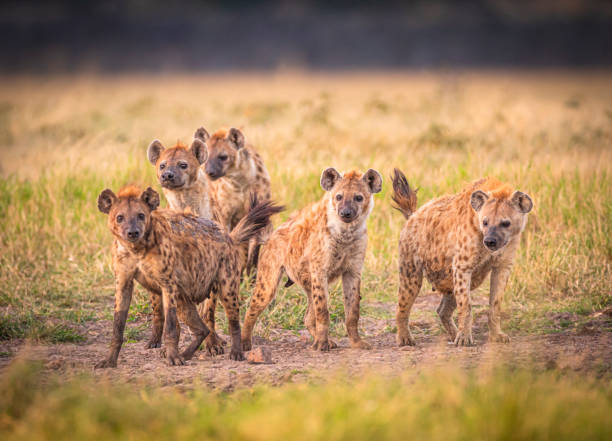
The Vibe: Known globally as "The Land of Giants," Chobe is arguably the most famous entry in Botswana tourism. The atmosphere here is kinetic and abundant. Located in the north, close to the borders of Namibia, Zambia, and Zimbabwe, it serves as the most accessible entry point for safaris. The park is divided into four distinct ecosystems: the Serondela area (riverfront), the Savuti Marsh, the Linyanti Swamp, and the dry hinterland. The riverfront feels busy but spectacular, while Savuti offers a raw, gladiatorial atmosphere known for clashes between lions and hyenas.
Key Highlights:
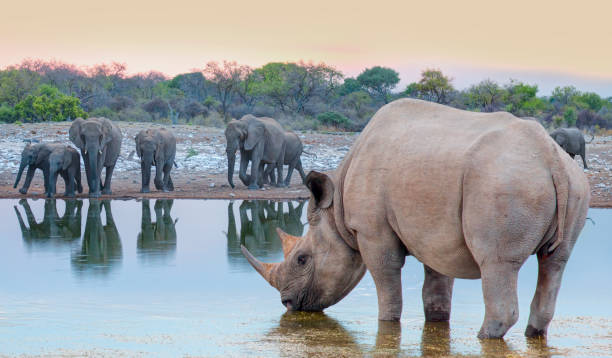
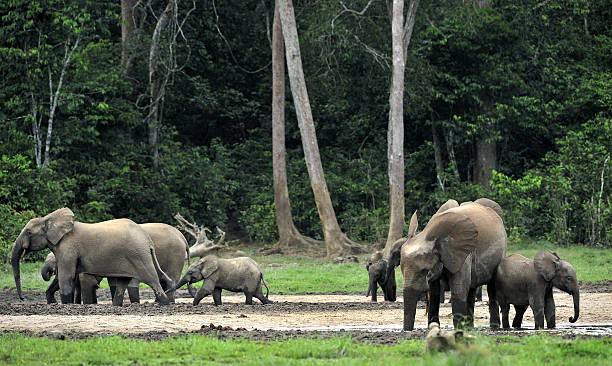
- Elephant Density: Chobe is home to the largest concentration of African elephants on the continent, estimated at over 120,000. Watching them swim across the Chobe River at sunset is iconic.
- Boat Safaris: Unlike many other parks, the primary activity here is water-based. Photographic boat cruises allow you to get eye-level with hippos and crocodiles.
- The Savuti Channel: A mysterious waterway that dries up and flows again over decades, creating a dynamic habitat for high concentrations of prides of lions (famous for hunting elephants).
Best Time to Visit: The dry winter months from May to October are imperative for the riverfront. As the interior waterholes dry up, animals are forced to the riverbanks, creating density that is unmatched elsewhere. However, Savuti can be excellent in the shoulder season (November) when the zebras migrate.
Where to Stay:
- Luxury: Chobe Game Lodge — The only permanent lodge situated inside the park along the riverfront, famous for its all-female guiding team and electric fleet.
- Mid-range: Chobe Elephant Camp — Located on a ridge overlooking the floodplains, offering a rustic yet comfortable lodge experience.
- Budget: Ihaha Campsite — A public campsite run by the Department of Wildlife; requires booking months in advance but offers riverfront views for a fraction of the cost.
Pro Tip: If you are staying in Kasane, book a private boat for your river cruise rather than joining the large double-decker boats. The smaller vessels can navigate shallower channels and get you much closer to the wildlife without the noise of a crowd.
2. Moremi Game Reserve
The Vibe: Moremi is the heart and soul of the Okavango Delta. It is technically a game reserve, not a national park (designated by the local BaTawana people), but it is the flagship of Botswana's conservation efforts. The landscape is a stunning mosaic of mopane tongue woodlands, acacia forests, floodplains, and lagoons. It feels ancient and untamed. This is arguably the best place in Southern Africa to see the endangered African Wild Dog.
Key Highlights:
- Chief’s Island: The largest landmass in the Delta, this area remains dry even when the floodwaters rise, becoming a refuge for thousands of animals.
- Mokoro Excursions: Gliding through the reed channels in a traditional dugout canoe (mokoro) offers a silent, bird-eye perspective of the ecosystem.
- The Big Five: While rhinos are elusive and heavily guarded, Moremi is one of the few places in Botswana where you have a genuine chance of seeing the full Big Five.
Best Time to Visit: July to October is the peak season. Paradoxically, this is the dry season for rain, but it is when the floodwaters from the Angolan highlands finally reach the Delta, turning the landscape into a lush waterworld while the surrounding areas are dry.
Where to Stay:
- Luxury: Mombo Camp — Often cited as the best safari camp in Africa, located on Chief’s Island with unrivaled predator action.
- Mid-range: Moremi Crossing — An eco-friendly tented camp accessible by boat, offering a "water camp" experience.
- Budget: Third Bridge Campsite — A legendary self-drive campsite known for having lions and hyenas walk right through the camp at night.
Pro Tip: Moremi has diverse terrain. Ensure your itinerary includes both a "wet camp" (water activities focused) and a "dry camp" (game drive focused) to fully experience the diversity of the reserve.
3. Central Kalahari Game Reserve (CKGR)
The Vibe: Covering over 52,000 square kilometers, the CKGR is the second-largest wildlife reserve in the world. It is a place of overwhelming solitude and silence. The horizon stretches endlessly, creating a "big sky" experience that changes your perspective on the planet. Unlike the Delta, the CKGR is harsh, dry, and demanding, but its beauty is undeniable. It is the ancestral home of the San people (Basarwa), and the energy of the land feels deeply spiritual.
Key Highlights:
- Deception Valley: Made famous by the book "Cry of the Kalahari," this fossilized river valley attracts sweet grasses after the rains, drawing in vast herds of springbok and oryx.
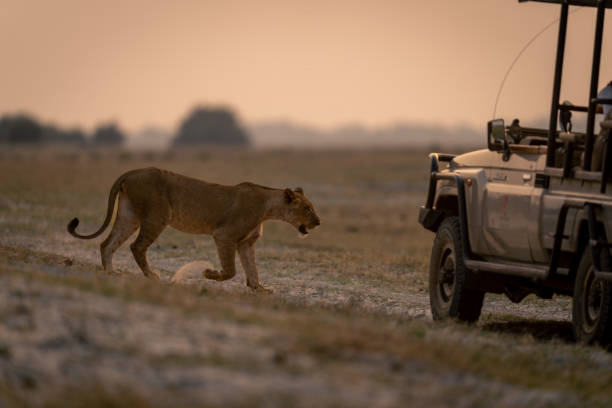
- Black-Maned Lions: The Kalahari lions are physically larger and distinct for their dark manes; they are adapted to go long periods without water.
- Stargazing: With zero light pollution and dry air, the astrophotography opportunities here are among the best in the Southern Hemisphere.
Best Time to Visit: Unlike Chobe and Moremi, the CKGR shines during the Green Season (January to April). Summer rains transform the desert into a green meadow, attracting herds of herbivores and the predators that follow them.
Where to Stay:
- Luxury: Kalahari Plains Camp — A Wilderness Safaris property that offers star-beds on the roof of your unit for sleeping under the sky.
- Mid-range: Deception Valley Lodge — Located just outside the northern border, offering a comfortable base to explore the reserve.
- Budget: Piper Pan Campsite — Extremely remote, zero facilities (bring your own water/fuel), but offers complete isolation in the wild.
Pro Tip: If you are self-driving, you must travel in a convoy of at least two vehicles. The sand tracks are deep, and if you break down here, help is days away.
4. Makgadikgadi Pans National Park
The Vibe: Surreal. The Makgadikgadi is a remnant of a super-lake that dried up thousands of years ago, leaving behind glistening salt pans the size of Switzerland. In the dry season, it is a blinding white lunar landscape that distorts distance and perspective. In the wet season, it becomes a shallow breeding ground for flamingos. The vibe here is about space and emptiness, punctuated by islands of baobabs and playful meerkats.
Key Highlights:
- The Zebra Migration: Second only to the Serengeti, Botswana hosts a massive zebra migration that moves between the Makgadikgadi and the Boteti River.
- Habituated Meerkats: Several lodges in the area have habituated meerkats, allowing guests to sit quietly while these charismatic creatures use them as lookout posts.
- Kubus Island: Although technically just outside the park boundaries, this granite island filled with ancient baobabs is a sacred site and a must-visit for adventurers.
Best Time to Visit: For the salt pans experience (quad biking and sleep-outs), visit July to October. For the migration and birdlife, visit December to March.
Where to Stay:
- Luxury: Jack’s Camp — A museum-like camp styled on 1940s campaigns, offering one of the most stylish and eccentric experiences in Africa.
- Mid-range: Planet Baobab — A funky, affordable lodge featuring giant anteater statues and traditional Bakalanga huts.
- Budget: Njuca Hills Campsite — A basic bush camp within the park, offering sweeping views of the migration routes.
Pro Tip: Book a quad bike expedition across the pans. Sleeping out in the middle of the salt pan, with nothing but the curvature of the earth visible, is a life-changing experience.
5. Nxai Pan National Park
The Vibe: Often overshadowed by its neighbor, the Makgadikgadi, Nxai Pan offers a slightly different landscape. It is a fossil lakebed dotted with clusters of Umbrella Acacia trees. It feels more intimate and compact. The park is famous for Baines' Baobabs, a cluster of seven giant trees immortalized by the painter Thomas Baines in 1862. The vibe here is photogenic and historic.
Key Highlights:
- Baines' Baobabs: These trees have remained virtually unchanged for over 150 years and sit on the edge of the Kudiakam Pan.
- Cheetah Conservation: The open terrain makes Nxai Pan excellent for spotting cheetahs, who rely on speed and clear sightlines to hunt.
- Springbok Nursery: During the rainy season, thousands of springbok drop their young here, creating a frenzy of activity for jackals and hyenas.
Best Time to Visit: December to April is the prime time, as the rains bring the lush grasses that attract the game. However, access can be muddy and difficult during heavy rains.
Where to Stay:
- Luxury: Nxai Pan Camp — The only permanent camp within the park boundaries, facing a waterhole frequently visited by elephants.
- Budget/Self-Drive: South Camp — Known for having habituated elephants that often inspect tents (keep your distance!).
Pro Tip: Combine Nxai Pan with the Makgadikgadi. They are geographically close but offer distinct experiences—one focused on the salt void, the other on the grassy plains.
6. Kgalagadi Transfrontier Park
The Vibe: Straddling the border between Botswana and South Africa, this was Africa's first "peace park." It creates a massive conservation area characterized by rolling red sand dunes and dry riverbeds (the Nossob and Auob). The vibe is stark beauty. It is a favorite among professional photographers due to the stunning contrast of red sand, blue sky, and golden grass.
Key Highlights:
- Predator Activity: This park is famous for cheetah, leopard, and the black-maned Kalahari lion. The open terrain makes spotting them easier than in the bushveld.
- Raptors: It is a bird of prey sanctuary, hosting Bateleurs, Martial Eagles, and Pale Chanting Goshawks in high numbers.
- Polentswa Wilderness Trail: A challenging 4x4 route that offers a deep immersion into the Botswana side of the park.
Best Time to Visit: March to May offers pleasant temperatures and the end of the rainy season, leaving the park green and vibrant. Summer can be dangerously hot (over 40°C/104°F).
Where to Stay:
- Luxury: Ta Shebube Rooiputs — Located on the Botswana side, offering chalets with panoramic views of the Nossob River valley.
- Budget: Two Rivers Campsite — Located near the entrance, offering basic facilities and access to both the South African and Botswana sides.
Pro Tip: The Botswana side is strictly 4x4 and remarkably undeveloped compared to the South African side (which has tarred roads and shops). Prepare to be fully self-sufficient.
Practical Travel Guide: Planning Your Botswana Safari
Best Time of Year (General Weather)
Botswana's weather dictates the wildlife experience. The climate is generally split into two main seasons:
- Dry Season (May – October): Winter. Days are sunny and warm, nights are freezing (especially in the desert). Vegetation is thin, and water is scarce, forcing animals to permanent water sources. This is the peak safari season for Chobe and the Okavango Delta.
- Green Season (November – April): Summer. It is hot and humid with afternoon thunderstorms. The bush is thick and green. This is the best time for the Kalahari parks (CKGR, Nxai Pan) and for birdwatching, though some lodges in the Delta close or lower their rates significantly.
Getting Around: Logistics and Transport
Navigating Botswana is an adventure in itself. There are two primary ways to explore the country:
1. Fly-In Safari: The most popular method for luxury travelers. You will fly commercially into Maun (the tourism capital) or Kasane. From there, small light aircraft (Cessna Caravans) transport you between camps. This provides spectacular aerial views of the Delta but is the most expensive option.
2. Self-Drive Safari: For the adventurous. You rent a fully equipped 4x4 (usually a Toyota Hilux or Land Cruiser) with roof-top tents. This requires significant experience in off-road driving, particularly in deep sand. Navigation skills and carrying extra fuel/water are mandatory.
Estimated Costs
Botswana is not a budget destination. The government prioritizes low volume to protect the environment, meaning fees are high.
- Budget (Self-Drive & Camping): $150 - $300 per person/day. Includes vehicle rental, fuel, park fees, and food.
- Mid-Range (Lodges & Mobile Safaris): $500 - $900 per person/day. Includes guided activities and comfortable accommodation.
- Luxury (Fly-In): $1,200 - $3,000+ per person/day. Includes all flights, premium beverages, private guiding, and world-class camps.
Conclusion
Botswana remains the gold standard for African safaris. Whether you are watching a leopard descend a tree in Moremi, listening to the roar of a lion across the Kalahari dunes, or simply enjoying the silence of the Makgadikgadi pans, the experience is raw and unfiltered. While the cost of entry is high, the reward is an intimate connection with nature that few other places on the planet can offer. If you are planning your next Southern Africa travel adventure, prioritize the Chobe riverfront for quantity and the Okavango Delta for quality.
Call to Action: Ready to book your Botswana adventure? Start by deciding between the wet season in the Kalahari or the dry season in the Delta, and book your campsites or lodges at least 12 months in advance—spaces in this exclusive wilderness fill up fast.
Frequently Asked Questions (FAQ)
1. Is Botswana safe for tourists?
Yes, Botswana is considered one of the safest countries in Africa. It has a stable democracy, a strong economy, and a very low crime rate against tourists. The biggest dangers are environmental (wild animals and dehydration), not human.
2. Do I need a visa for Botswana?
Citizens of the USA, UK, Canada, Australia, and most EU countries do not need a visa for stays up to 90 days. However, you will need to pay a Tourism Development Levy (approx. $30) upon arrival at airports or border posts.
3. Is there a risk of Malaria?
Yes, the northern parts of Botswana (including Chobe and the Okavango Delta) are malaria zones, particularly during the rainy season (November to April). Prophylactics are highly recommended. The southern desert areas have a much lower risk.
4. Can I drive a sedan in Botswana National Parks?
No. Most national parks, including Moremi, Chobe, and CKGR, have deep sand tracks that require a 4x4 vehicle with high clearance. Attempting these roads in a sedan will result in getting stuck and potentially expensive recovery fees.