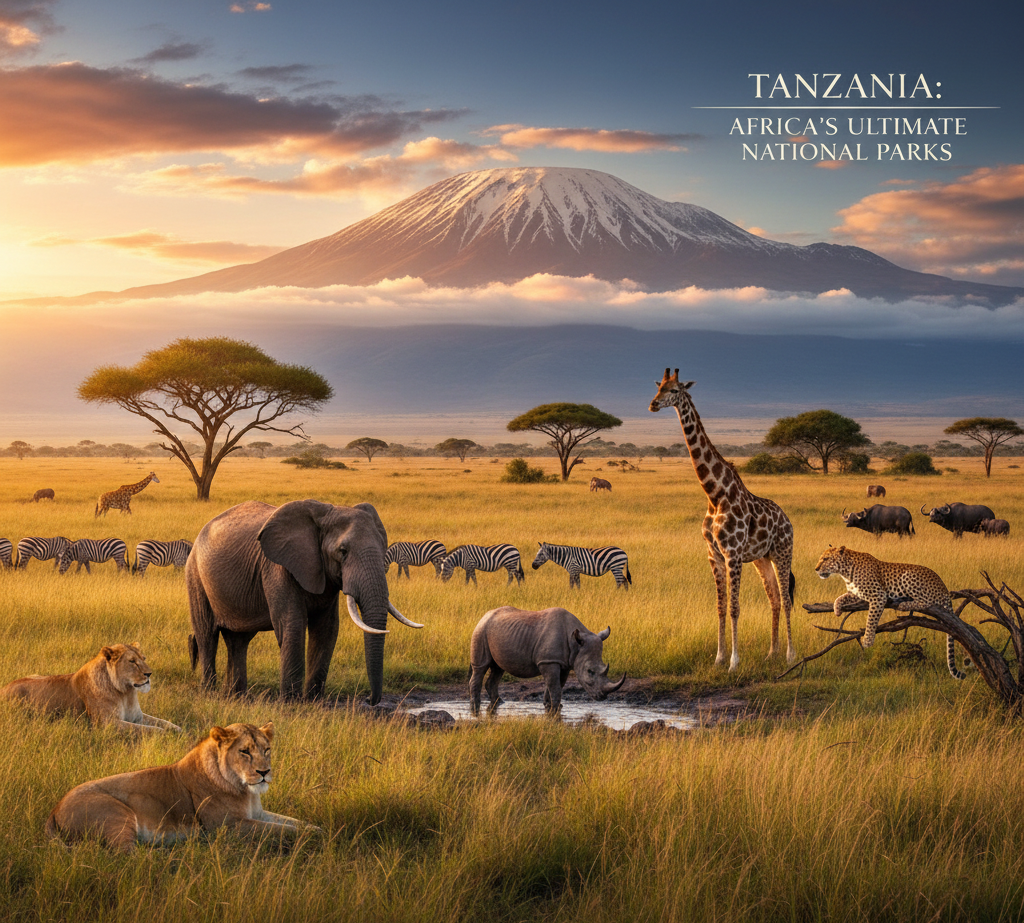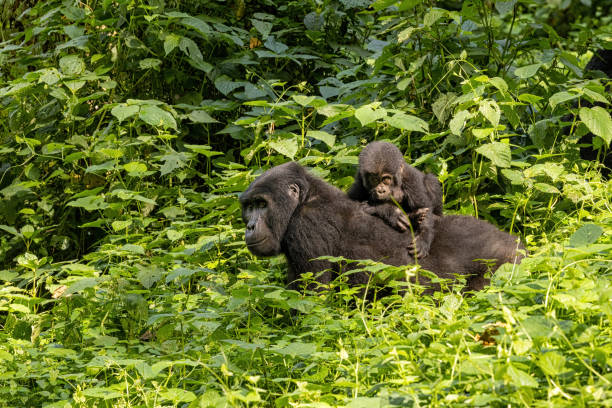
The Best National Parks in Eswatini: A Complete Guide
Nestled between the geographical giants of South Africa and Mozambique lies a tiny, landlocked monarchy that punches well above its weight in the world of conservation. The Kingdom of Eswatini (formerly Swaziland) is often bypassed by travelers rushing to reach the Kruger National Park or the beaches of Maputo, yet those who pause here discover one of the most enchanting destinations in Southern Africa. This is a land of ancient rock formations, emerald valleys, and a relaxed pace of life that feels like a throwback to a quieter era of African travel. It is known as the "Valley of Heaven" for good reason.
Unlike the sprawling, sometimes overwhelming scale of reserves elsewhere on the continent, an Eswatini safari is intimate, accessible, and deeply personal. Here, conservation is not just a government mandate but a royal trust. The parks are geographically close enough that you can watch the sunrise over the savanna in the Lowveld and hike through mist-covered Highveld mountains by sunset. Eswatini is famously the best place on the continent to see rhinoceros in the wild, thanks to an incredibly successful anti-poaching unit and a fierce dedication to protecting these prehistoric giants.
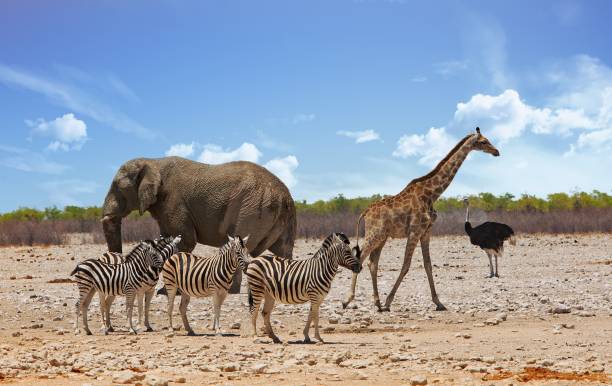
For the intrepid traveler, Eswatini tourism offers a blend of adrenaline and tranquility. You can track elephants on foot, sleep in traditional beehive huts, and mountain bike past grazing zebras—all without the mass crowds found in larger neighboring countries. In this comprehensive guide, we will explore the best national parks in Eswatini, detailing where to find the Big Five, where to hike the oldest mountains on earth, and how to plan the ultimate self-drive adventure through this captivating kingdom.
Comparison of Top National Parks
| Park Name | Best For | Key Wildlife | Best Time to Visit |
|---|---|---|---|
| Hlane Royal National Park | Big Game viewing & Lions | Lion, White Rhino, Elephant, Giraffe | May to September (Dry Season) |
| Mkhaya Game Reserve | Rhino tracking & Exclusivity | Black Rhino, White Rhino, Buffalo, Sable Antelope | Year-round (Best: June-August) |
| Mlilwane Wildlife Sanctuary | Walking/Biking safaris & Families | Hippo, Crocodile, Zebra, Wildebeest (No Big Predators) | Year-round |
| Malolotja Nature Reserve | Hiking, Scenery & Canopy Tours | Blesbok, Eland, Bald Ibis, Verreaux's Eagle | April to May or September to October |
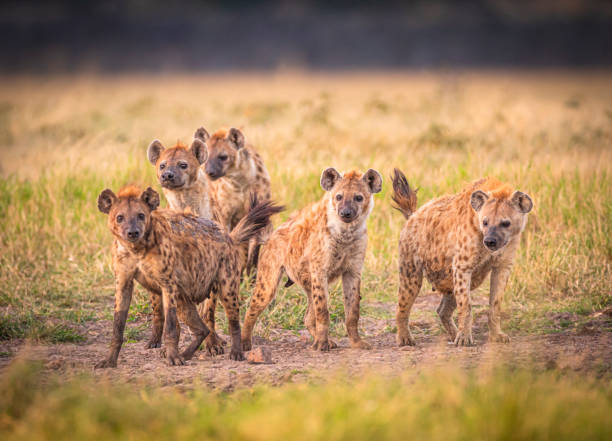
| Mlawula Nature Reserve | Wilderness hiking & Solitude | Hyena, Leopard (rare), Antelope, Vultures | May to August |
Hlane Royal National Park
Hlane, meaning "Wilderness" in the local siSwati language, is the largest protected area in the country and the crown jewel of Eswatini tourism. Located in the flat, bushveld expanse of the Lubombo region, Hlane is managed by Big Game Parks on behalf of the King. It is the most "classic" safari destination in the country, boasting four of the Big Five (lion, leopard, elephant, and rhino).
The Vibe: Hlane feels ancient and regal. The landscape is dominated by ancient hardwood trees, particularly the Knobthorn and Leadwood, which provide shade for the game. The atmosphere at the main camp, Ndlovu, is electrifying yet serene. There is no electricity at the camp, which forces a digital detox and heightens the senses. By night, the only light comes from paraffin lanterns and the campfires, while the roar of lions often echoes through the darkness, reminding you that you are truly in the African bush.
Key Highlights:
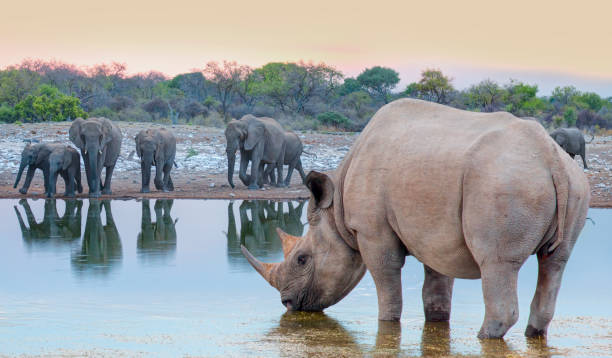
- Ndlovu Waterhole: This is arguably the best waterhole in Eswatini. Located right in front of the main restaurant and accommodation area, it is frequented daily by herds of elephants and rhinos. You can sip your morning coffee while watching a white rhino mother and calf just meters away, separated only by a low electric wire.
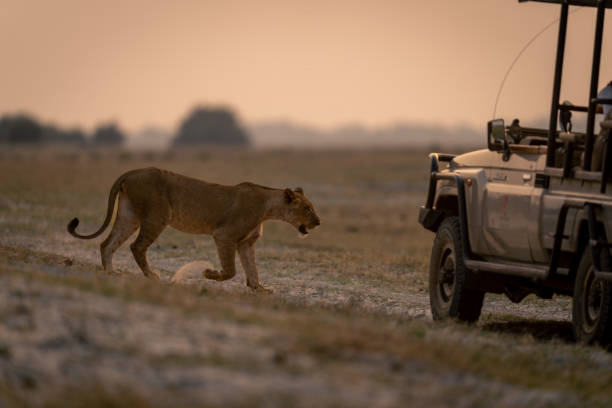
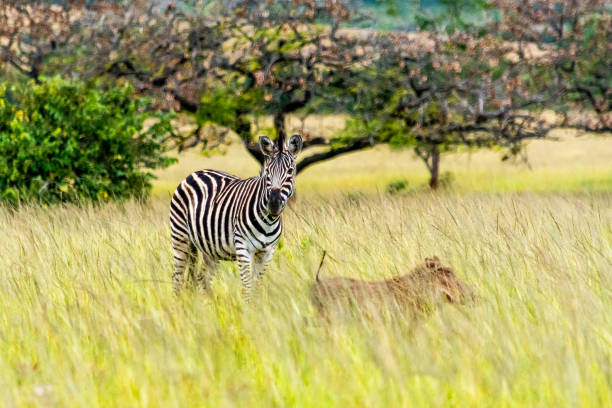
- Lion Tours: The lions in Hlane are kept in a separate, massive fenced enclosure to protect the antelope populations in the rest of the park. Guided game drives into the lion zone offer a 99% success rate of seeing the kings of the jungle.
- Rhino Drives: While you can see rhinos at the waterhole, taking a guided drive allows you to get close to these animals in the bush, providing excellent photographic opportunities.
Best Time to Visit: The dry winter months from May to September are superior. As the water sources in the bush dry up, animals are forced to congregate at the Ndlovu waterhole, making game viewing effortless.
Where to Stay:
- Mid-Range: Ndlovu Camp – The main camp offers enchanting, lantern-lit cottages. It is rustic but comfortable, with en-suite bathrooms. The lack of electricity adds to the romance.
- Budget: Bhubesi Camp – Located 14km from the main gate, this camp has electricity and is self-catering, perfect for families who need modern amenities.
Pro Tip: Book the sunset game drive. Not only are the sunsets over the Lowveld spectacular, but the drive usually ends with a drink in the bush as the nocturnal animals—including hyenas and owls—begin to stir.
Mkhaya Game Reserve
If Hlane is the popular public face of Eswatini's wildlife, Mkhaya is its exclusive, secret sanctuary. Located southeast of Manzini, Mkhaya was established specifically to save the pure Nguni cattle of Swaziland, but it quickly evolved into one of the most effective rhino sanctuaries in Africa. It is often cited in Best National Parks in Africa lists specifically for rhino conservation.
The Vibe: Mkhaya is intimate and intense. It is a refuge in the truest sense. You cannot drive yourself in; you must be picked up at a designated meeting point by rangers. This isolation creates a profound sense of peace. The reserve is crisscrossed by dry riverbeds and dense acacia thorns, the preferred habitat of the Black Rhino. The staff here are deeply passionate about conservation, and the experience feels less like a holiday and more like an immersion into the front lines of anti-poaching success.
Key Highlights:
- Black and White Rhinos: Mkhaya offers arguably the best chance in the world to see the elusive, aggressive Black Rhino in the wild, alongside the more placid White Rhino. seeing both species on a single drive is common here.
- Walking Safaris: Because the guides know the animals so well, tracking rhinos on foot is a signature activity. It is an adrenaline-pumping experience that requires silence and obedience to the ranger's commands.
- Stone Camp: The accommodation itself is a highlight. The cottages are open to the bush (no windows or doors, just low walls and thatch roofs), allowing the sounds of the night to drift in.
Best Time to Visit: June to August offers the most comfortable temperatures and thinnest vegetation. However, Mkhaya is excellent year-round. Summer can be very hot and humid, but the birdlife is spectacular during this time.
Where to Stay:
- Luxury/Mid-Range: Stone Camp – This is the only accommodation option. It is all-inclusive (meals and game drives). The food is exceptional, often served under a giant sausage tree or in a dry riverbed.
Pro Tip: Mkhaya is strictly "advance booking only." Do not just show up at the gate. Also, be aware that because the rooms are open, you might find a bushbaby or harmless insects visiting your room at night. It is part of the charm!
Mlilwane Wildlife Sanctuary
Mlilwane was the birthplace of conservation in the Kingdom. Founded in the 1960s by the legendary Ted Reilly, who turned a deteriorating farm into a sanctuary, it is located in the "Valley of Heaven" (Ezulwini Valley). It is the most accessible park and acts as the outdoor playground for both locals and tourists.
The Vibe: Relaxed, scenic, and family-oriented. Because Mlilwane does not have the "Big 5" predators (lions or elephants), it is safe for visitors to explore on their own terms. The vibe is one of freedom—the freedom to walk, bike, or ride horses among the wildlife. The backdrop of the Nyonyane mountains provides a dramatic setting for the grassy plains where zebras and wildebeest graze.
Key Highlights:
- Execution Rock (Nyonyane Peak): A granite peak with a dark history (ancient execution site) but incredible views. Hiking to the summit is a must-do activity for active travelers.
- Hippo Pool: The main restaurant overlooks a large hippo pool. Lunch here usually involves watching hippos grunt and yawn while crocodiles sunbathe on the banks.
- Mountain Biking: You can rent bikes at the camp and cycle through herds of impala and blesbok. It is a rare privilege to cycle through a game reserve in Africa.
Best Time to Visit: Mlilwane is a year-round destination. The winter months are dry and cool, perfect for hiking Execution Rock. The summer months are lush and green, though afternoon thunderstorms are common.
Where to Stay:
- Mid-Range: Beehive Villages – Stay in traditional Swazi beehive huts. They are constructed with grass domes but feature modern interiors and en-suite bathrooms. It is a unique cultural accommodation experience.
- Budget: Sondzela Backpackers – Located within the park, this is a fantastic option for budget travelers, offering a pool and a great social vibe.
- Luxury: Reilly's Rock Hilltop Lodge – A colonial-style guest house located on the hill, offering exclusivity and history.
Pro Tip: Buy the "Wild Card" (conservation pass) if you plan to visit multiple Big Game Parks (Hlane, Mlilwane, Mkhaya). It saves money on daily conservation fees.
Malolotja Nature Reserve
Moving away from the savanna heat to the cool western highlands, Malolotja Nature Reserve offers a completely different side of Eswatini tourism. Covering 18,000 hectares of mountain wilderness, this park is part of the transfrontier conservation area with South Africa. It is a place of geology, botany, and rugged hiking.
The Vibe: Malolotja feels like the Scottish Highlands with an African twist. Rolling green hills, deep river gorges, and rocky outcrops dominate the landscape. It is quiet, windy, and vast. You won't find the density of animals here that you see in the Lowveld, but the sense of solitude is unmatched.
Key Highlights:
- Malolotja Canopy Tour: This is Eswatini’s first zip-line canopy tour. It involves sliding across the Sihlotswane Gorge, offering breathtaking views of the forest canopy and rock formations.
- Malolotja Falls: One of the highest waterfalls in Eswatini (approx. 90m), accessible via a rigorous hike.
- Hiking Trails: There are over 200km of hiking trails ranging from short day walks to multi-day wilderness treks requiring permits and camping gear.
Best Time to Visit: April to May (Autumn) and September to October (Spring). The deep winter can be freezing at this altitude, and the peak summer brings heavy mists and rain that can obscure the views.
Where to Stay:
- Mid-Range: Malolotja Log Cabins – Fully equipped self-catering cabins with fireplaces, which are essential during the cold nights.
- Budget: The main campsite offers stunning views over the valley.
Pro Tip: Keep an eye out for the Bald Ibis and the Blue Swallow. Malolotja is an Important Bird Area (IBA) and critical for these endangered species.
Mlawula Nature Reserve
Located in the east, bordering Mozambique, Mlawula is where the Lowveld plains meet the Lebombo Mountains. It is a reserve for the true nature enthusiast who prefers raw wilderness over manicured facilities. It is less visited than Hlane or Mlilwane, offering a "Cast Away" feeling.
The Vibe: Rugged and uncommercialized. The park encompasses diverse habitats, from dry thorn savanna to wet forests in the gullies of the mountains. It is a transition zone that attracts a high biodiversity of species. The vibe here is about self-reliance; you bring what you need, and you explore at your own pace.
Key Highlights:
- Botanical Diversity: Mlawula is famous for its flora, including rare cycads and succulents that grow on the rocky cliffs.
- Vulture Restaurant: There is a designated area where carcasses are occasionally placed to support the local vulture populations (White-backed and Lappet-faced vultures), providing incredible viewing.
- Siphiso Valley: A beautiful area for walking safaris where you can spot kudu, impala, and wildebeest.
Best Time to Visit: May to August. The heat in the Mlawula valley can be oppressive in summer, reaching over 40°C (104°F). Winter is pleasant for hiking.
Where to Stay:
- Budget/Mid-Range: Magadzavane Lodge – Recently renovated, offering comfortable chalets with spectacular views over the reserve.
- Camping: Siphiso Campsite is a favorite for overlanders and those with 4x4s.
Pro Tip: Watch out for snakes. The diversity of habitats makes this a reptile haven. While incidents are rare, it’s always wise to hike with sturdy boots and awareness.
Practical Travel Guide: Planning Your Eswatini Adventure
Best Time of Year to Visit
Southern Africa travel is generally dictated by the rains. Eswatini has a subtropical climate with distinct seasons.
Dry Season (May – September): This is winter. Mornings and nights are cold (especially in Malolotja), but days are sunny and dry. Vegetation is sparse, making wildlife easy to spot. This is the prime safari season.
Wet Season (October – April): This is summer. It is hot, humid, and green. This is the baby season for antelope and the best time for birdwatching as migrants arrive. However, heavy rains can make some dirt roads in parks tricky to navigate.
Getting Around
Self-Drive is King: Eswatini is one of the easiest African countries to self-drive. The main road (MR3) running through the country is paved and in good condition. You can easily drive from the western border (Ngwenya) to the eastern park (Hlane) in about 3 hours.
Vehicle Choice: While a sedan can handle Mlilwane and the main roads to Hlane, a high-clearance vehicle or SUV is highly recommended for Mlawula and the interior roads of Hlane.
Border Crossings: Most travelers enter from South Africa via the Oshoek/Ngwenya border (busiest) or Golela/Lavumisa (southeast). Borders are generally efficient, but carry your vehicle registration papers.
Shuttles: The Eswatini Skyward flight from Johannesburg to King Mswati III International Airport is an option, but driving from Johannesburg (4 hours) is the most popular route.
Estimated Costs
Eswatini offers excellent value compared to the private reserves of South Africa.
Currency: The Eswatini Lilangeni (E) is pegged 1:1 with the South African Rand (ZAR). ZAR is accepted everywhere in Eswatini.
Park Fees: Conservation fees are very affordable, typically ranging from $3 to $6 USD per person per day.
Accommodation:
- Budget Camping: $10 - $15 USD per night.
- Mid-Range (Chalets/Beehives): $50 - $90 USD per night.
- Luxury (All-inclusive lodges): $150 - $300 USD per person per night.
Fuel: Generally slightly cheaper than in South Africa.
Conclusion
Eswatini is often described as "Africa in a nutshell," and nowhere is this more evident than in its national parks. It offers the Big Five thrills of the Kruger without the traffic jams, the mountainous beauty of the Drakensberg without the extreme distances, and a cultural warmth that is entirely its own. Whether you are tracking rhinos on foot in the scrub of Mkhaya or watching the sunset over the distant Lebombo mountains from Hlane, the experience is raw, authentic, and unforgettable.
If you are planning a trip to Southern Africa, do not make the mistake of driving through Eswatini in a single day. Stop, stay, and explore. The best national parks in Eswatini are waiting to show you a side of Africa that is peaceful, wild, and profoundly beautiful. Book your Eswatini safari today and discover the Kingdom's wild heart.
Frequently Asked Questions
1. Is Eswatini safe for tourists?
Yes, Eswatini is known for being one of the safest and friendliest countries in Africa. Crime rates against tourists are low, and the political atmosphere is generally stable. However, as with anywhere, it is wise not to drive at night due to stray cattle on the roads.
2. Is there malaria in Eswatini's parks?
The risk varies by region. The Highveld (Malolotja, Mbabane) is malaria-free. The Lowveld parks (Hlane, Mkhaya, Mlawula) are in low-risk malaria zones, particularly during the wet summer months. While the risk is much lower than in Mozambique or Kruger, taking prophylaxis is often recommended during the wet season. Consult your doctor.
3. Do I need a 4x4 to visit these parks?
For Mlilwane and the main camps of Hlane, a standard sedan is sufficient. However, for Mlawula, the interior game drive loops of Hlane, or during the rainy season, a vehicle with high clearance (SUV or 4x4) is strongly advised to avoid getting stuck in the mud or damaging the undercarriage.
4. Can I see the Big Five in Eswatini?
Yes, but usually not all in one park. Hlane Royal National Park is home to lions, elephants, white rhinos, and leopards. Buffalo are found in Mkhaya. To see all five, you would ideally visit both Hlane and Mkhaya. Note that leopards are notoriously elusive everywhere.