The Best National Parks in Namibia: A Complete Guide
Namibia is not merely a country; it is a geological masterpiece that defies the imagination. Often referred to by travel veterans as "The Land God Made in Anger" due to its harsh, jagged coastlines and scorching interior, it paradoxically offers some of the most serene and soul-stirring landscapes on the planet. From the rusty red dunes of the oldest desert in the world to the shimmering white salt pans of Etosha visible from space, the visual contrast here is unparalleled in Southern Africa travel.
Unlike the density-packed game reserves of East Africa, a Namibia safari is defined by space, silence, and resilience. Here, you do not just watch wildlife; you witness survival. You might see desert-adapted elephants digging for water in dry riverbeds or lions prowling mist-covered beaches near shipwrecks. For the intrepid traveler, Namibia offers a sense of isolation and freedom that is becoming increasingly rare in modern tourism.
This comprehensive guide details the best national parks in Namibia, tailored for those seeking both adventure and luxury. We will explore the prime destinations for wildlife viewing, landscape photography, and hiking, providing you with the logistical knowledge required to navigate this vast nation. Whether you are planning a self-drive expedition or a guided luxury tour, this breakdown will help you prioritize your itinerary to experience the very best of Namibia tourism.
Top 5 Parks Overview
| Park Name | Best For | Key Wildlife | Best Time |
|---|---|---|---|
| Etosha National Park | Classic big game safari & photography | Elephant, Lion, Black Rhino, Leopard | July - October (Dry Season) |
| Namib-Naukluft Park | Iconic landscapes & hiking | Oryx, Springbok, Ostrich | May - September (Cooler) |
| Skeleton Coast Park | Remote wilderness & shipwrecks | Brown Hyena, Cape Fur Seals, Desert Lion | October - March (Warmer) |
| Bwabwata National Park | River safaris & birding | Hippo, Buffalo, Crocodile, Elephant | May - October (Dry Season) |
| Ai-Ais / Richtersveld | Canyon hiking & geology | Mountain Zebra, Klipspringer | May - September (Cooler) |
Etosha National Park
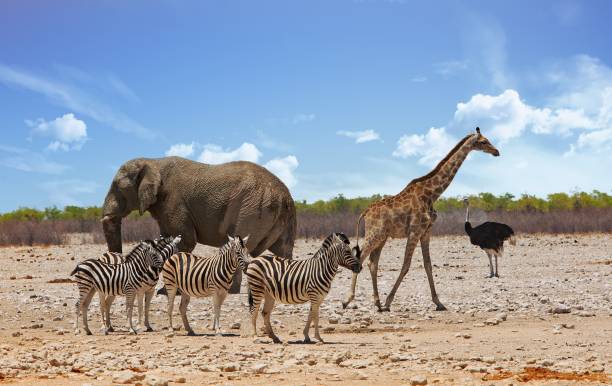
The Vibe: Etosha is the crown jewel of wildlife viewing in Namibia. The name translates to "Great White Place," referring to the colossal salt pan that covers 23% of the park. In the dry season, the atmosphere is electric with tension. The vegetation recedes, leaving a stark, white backdrop that makes wildlife photography effortless. The vibe here is accessible adventure; the roads are navigable by standard vehicles, and the wildlife comes to you, congregating in massive numbers around the permanent waterholes.
Key Highlights:
- The Etosha Pan: A vast, saline desert that shimmers with mirages. It is mostly dry but can fill with water after heavy rains, attracting thousands of flamingos.
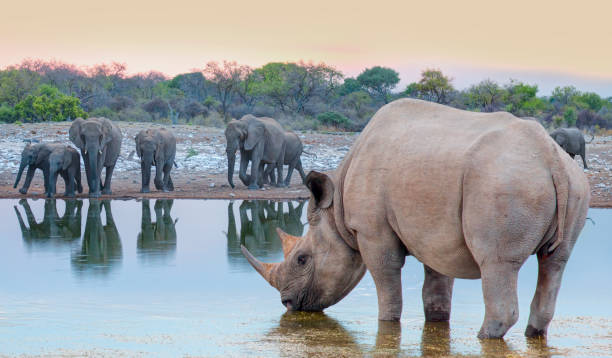
- Floodlit Waterholes: Camps like Okaukuejo feature floodlit waterholes where you can sit comfortably at night and watch rhinos and elephants interact just meters away.
- High Density of Predators: Etosha has a healthy population of lions, leopards, and cheetahs, often seen hunting on the open plains.
- Black Rhinoceros: This is one of the few places in Africa where you have a very high probability of spotting the endangered black rhino in the wild.
Best Time to Visit: The dry winter months from July to October are superior. Animals are forced to gather at waterholes, making spotting them incredibly easy.
Where to Stay:
- Luxury: Onguma The Fort. Located just outside the eastern gate, this Moroccan-style fort offers unrivaled luxury and private game drives.
- Mid-range: Okaukuejo Rest Camp. Located inside the park, it is famous for its premier waterhole chalet views.
- Budget: Etosha Safari Camp. Quirky, affordable, and located a short drive from the Anderson Gate, offering a fun, rustic atmosphere.
Pro Tip: Do not just chase lions. Spend an hour parked silently at a single waterhole like Salvadora or Rietfontein. The procession of animals—from giraffes drinking awkwardly to herds of zebra—creates a constantly changing theater performance.
Namib-Naukluft National Park
The Vibe: Encompassing part of the Namib Desert (the world's oldest) and the Naukluft mountain range, this park is about scale and color. It feels prehistoric. The vibe is one of awe-inspiring solitude. Walking among the dead acacia trees of Deadvlei, surrounded by some of the highest sand dunes on earth, feels like stepping onto the surface of Mars. It is a place for introspection, hiking, and capturing the interplay of light and shadow.
Key Highlights:
- Sossusvlei & Deadvlei: The iconic white clay pan dotted with 900-year-old skeleton trees, surrounded by vibrant orange dunes.
- Dune 45: Known as the most photographed dune in the world, it is accessible for sunrise climbs, offering panoramic views of the dune sea.
- Big Daddy: The tallest dune in the Sossusvlei area. Climbing it is a strenuous workout, but running down the face into Deadvlei is a thrill.
- Sesriem Canyon: A deep gorge carved by the Tsauchab River, perfect for a cool walk during the heat of the day.
Best Time to Visit: May to September offers cooler temperatures. Summer days (November to February) can be dangerously hot, often exceeding 40°C (104°F) in the dunes.
Where to Stay:
- Luxury: Little Kulala. A wilderness reserve offering direct access to Sossusvlei and star-gazing beds on the roofs of villas.
- Mid-range: Sossusvlei Lodge. Situated right at the park entrance gate, offering canvas-style accommodation with modern comforts.
- Budget: Sesriem Campsite. Located inside the park gate, allowing you to drive to the dunes an hour before the main gates open for sunrise.
Pro Tip: To get the famous photo of Deadvlei with the sun splitting the dunes (one side lit, one side in shadow), you must stay inside the park gates (like at Sesriem Campsite) to leave for the dunes 60 minutes before sunrise.
Skeleton Coast National Park
The Vibe: The Bushmen called it "The Land God Made in Anger," and Portuguese sailors called it "The Gates of Hell." The Skeleton Coast is eerie, raw, and beautiful. Cold Atlantic waves crash against scorching desert sands, creating thick blankets of fog. The vibe here is one of desolation and mystery. It is not a traditional safari destination; it is an adventure into the unknown, where you find rusted shipwrecks and bleached whale bones scattered across the beach.
Key Highlights:
- Cape Cross Seal Reserve: While technically just south of the park, it is an essential stop to see over 100,000 Cape Fur Seals (and the jackals that hunt them).
- Shipwrecks: The coast is littered with the remains of ships that fell victim to the treacherous fog and currents.
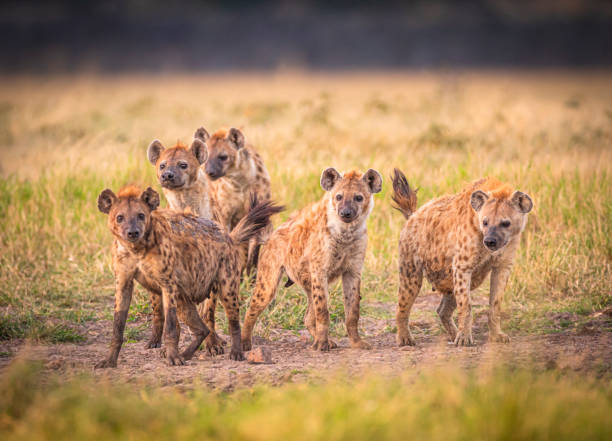
- Desert-Adapted Wildlife: In the northern reaches, you may find desert-adapted elephants, lions, and brown hyenas surviving in the riverbeds.
- Roaring Dunes: The unique geology of the sands here creates a low rumble or roar when you slide down them.
Best Time to Visit: October to March is slightly warmer, making the coastal breeze more pleasant. However, the fog is a year-round phenomenon.
Where to Stay:
- Luxury: Shipwreck Lodge. Uniquely designed cabins that look like broken ships, set amidst the dunes. One of the most unique hotels in Africa.
- Mid-range: Terrace Bay Resort. A government-run fishing resort deep in the park. It is rustic and bleak but offers genuine isolation.
- Budget: Torra Bay Campsite. Open only in December/January, popular with local fishermen. Otherwise, wild camping is not permitted.
Pro Tip: The Skeleton Coast is divided into two sections. The Southern section is accessible without a permit. The Northern section (past Terrace Bay) is a sensitive wilderness area and requires a fly-in safari or a specialized tour operator.
Bwabwata National Park (The Caprivi Strip)
The Vibe: Bwabwata destroys the stereotype that Namibia is entirely desert. Located in the narrow Zambezi Region (formerly Caprivi Strip), this park connects Namibia to Botswana and Zambia. The vibe here is sub-tropical and lush. Broad rivers like the Okavango and Kwando flow through here, creating wetlands that support hippo pods, crocodiles, and large herds of buffalo—animals you will not find in the rest of the country.
Key Highlights:
- Mahango Core Area: A small but wildlife-rich section excellent for spotting roan and sable antelope.
- Elephant Migration: This area is a vital corridor for elephants migrating between Botswana, Angola, and Namibia.
- Horseshoe Bend: A famous oxbow lake in the Kwando area that attracts thousands of elephants in the late afternoon.
- Birdwatching: With over 400 species, including Carmine Bee-eaters, it is the premier birding destination in Namibia.
Best Time to Visit: The dry winter months (May to October) are best as the animals congregate around the rivers. The wet season can make roads impassable.
Where to Stay:
- Luxury: Nambwa Tented Lodge. Built on elevated wooden decks high within the tree canopy, directly above an elephant migration path.
- Mid-range: Nunda River Lodge. Situated on the banks of the Okavango River, offering great boat cruises.
- Budget: Ngepi Camp. Famous for its "treehouse" toilets and crocodile-proof swimming cage in the river. A backpacker favorite.
Pro Tip: Do not miss a boat safari here. Viewing wildlife from the water offers a completely different perspective and is much more relaxing than the dusty roads of Etosha.
Ai-Ais / Richtersveld Transfrontier Park
The Vibe: This park straddles the border between Namibia and South Africa and is home to the Fish River Canyon, the second-largest canyon in the world. The vibe is rugged and geologic. It is a place for hikers and those who appreciate the raw power of earth movements. The landscape is harsh, rocky, and seemingly barren, yet it supports unique succulent flora that exists nowhere else.
Key Highlights:
- Fish River Canyon: A gigantic ravine, 160km long and up to 550m deep. The viewpoints at Hobas offer spectacular sunsets.
- Ai-Ais Hot Springs: Located at the southern end of the canyon, these thermal springs are a perfect recovery spot after a long drive or hike.
- Hiking: The 85km Fish River Canyon Hike is one of Africa’s most famous trails (permit required, seasonal).
- Geology: The exposed rock layers provide a visible history of the earth spanning hundreds of millions of years.
Best Time to Visit: May to September. The canyon hike is closed in summer (October to April) because temperatures in the canyon floor can reach lethal levels.
Where to Stay:
- Luxury: Fish River Lodge. The only lodge perched directly on the rim of the canyon, offering sunrise views that justify the price tag.
- Mid-range: Canyon Roadhouse. A quirky lodge filled with vintage cars and "road trip" memorabilia.
- Budget: Hobas Campsite. The closest camping option to the main viewpoint, clean and well-managed.
Pro Tip: Visit the main canyon viewpoint at sunset, not mid-day. The mid-day sun flattens the depth of the canyon, while the evening light casts shadows that reveal the true scale of the ravine.
Waterberg Plateau Park
The Vibe: Rising 200 meters from the surrounding plains, the Waterberg Plateau creates a unique micro-ecosystem. The vibe here is one of a fortress. Because the plateau is inaccessible from most sides, it has been used as a sanctuary for endangered species. It is lush, green, and offers excellent hiking trails compared to the flat scrubland below.
Key Highlights:
- Rhino Conservation: The park is a breeding ground for black and white rhinos. Guided game drives on top of the plateau offer high chances of sightings.
- Hiking Trails: Unlike Etosha, you are allowed to hike here. The trails up the side of the plateau offer incredible views over the Kalahari.
- History: The area is historically significant as the site of the 1904 Battle of Waterberg between the Herero people and German colonial forces.
- Rare Antelope: Look out for Roan and Sable antelope which thrive in this protected environment.
Best Time to Visit: Year-round, though the dry season (May to September) is better for hiking as the heat is manageable.
Where to Stay:
- Luxury: Waterberg Plateau Lodge. Nestled high on the slope, these chalets offer privacy and sweeping views.
- Mid-range: Waterberg Wilderness Lodge. Situated in a private valley, offering a "farm style" hospitality experience.
- Budget: NWR Waterberg Camp. The government-run camp at the base of the plateau. It has a great pool and is the starting point for most trails.
Pro Tip: Book a guided game drive with NWR (Namibia Wildlife Resorts) to go on top of the plateau. Private vehicles are not allowed on the sandy tracks atop the mountain.
Practical Travel Guide for Namibia
Best Time of Year to Visit
Namibia is a year-round destination, but your experience will vary drastically by season.
Dry Season (May - October): This is the peak season for Namibia tourism. Temperatures are moderate (warm days, freezing nights), foliage is sparse, and animals congregate at waterholes. This is the best time for Etosha.
Wet Season (November - April): The "Green Season" brings occasional thunderstorms that transform the brown landscape into vibrant green. It is excellent for birding and calving season for herbivores. However, it can be incredibly hot, and wildlife disperses, making viewing harder.
Getting Around: The Self-Drive Capital
Namibia is widely regarded as the best self-drive destination in Africa. The road infrastructure is excellent, consisting largely of well-maintained gravel roads.
Vehicle Choice: While you can reach Sossusvlei and Etosha in a sedan, a 4x4 (like a Toyota Hilux or Ford Ranger) is highly recommended. It provides better clearance for rocks, better traction on gravel, and the height advantage helps for spotting wildlife.
Estimated Costs
Namibia accommodates all budgets, though it is generally more expensive than Southeast Asia but cheaper than Botswana.
Park Fees: surprisingly affordable, usually around $10-$15 USD per person per day.
Fuel: A major expense due to the vast distances. Budget significantly for diesel.
Accommodation: Campsites range from $15-$30 USD pp. Mid-range lodges average $150-$250 USD per night. Ultra-luxury lodges can exceed $1,000 USD per night.
Conclusion
Namibia offers a travel experience that is distinct from the rest of the continent. It is not just about the density of animals, but the dramatic stages upon which they live. From the silence of the Sossusvlei dunes to the roar of the Skeleton Coast and the teeming waterholes of Etosha, the best national parks in Namibia provide a profound connection to the natural world. Whether you are an avid photographer, a 4x4 enthusiast, or a family seeking adventure, Namibia creates memories that are etched as deeply as its canyons. Pack your bags, deflate your tires for the sand, and prepare for the road trip of a lifetime.
FAQ: Namibia Travel Logistics
1. Is it safe to drive in Namibia?
Yes, Namibia is very safe for tourists. The biggest danger is not crime, but road accidents. Gravel roads can be slippery, and tourists often underestimate distances or drive too fast. Avoid driving at night due to wandering wildlife.
2. Do I need malaria medication?
Most of Namibia (including Sossusvlei, Skeleton Coast, and Fish River Canyon) is malaria-free. However, if you are visiting Etosha or the northern Caprivi/Bwabwata regions, malaria prophylaxis is strongly recommended, especially during the wet season.
3. Can I pay with credit cards?
Credit cards (Visa/Mastercard) are widely accepted in lodges, supermarkets, and gas stations in major towns. However, always carry some cash (Namibian Dollars or South African Rand, which are pegged 1:1) for remote fuel stops and tips.
4. How much time do I need?
Due to the vast distances, a minimum of 10 days is recommended to see the highlights (Etosha and Sossusvlei). To include the Skeleton Coast and the South, aim for 14 to 21 days.