The Best National Parks in Uganda: A Complete Guide
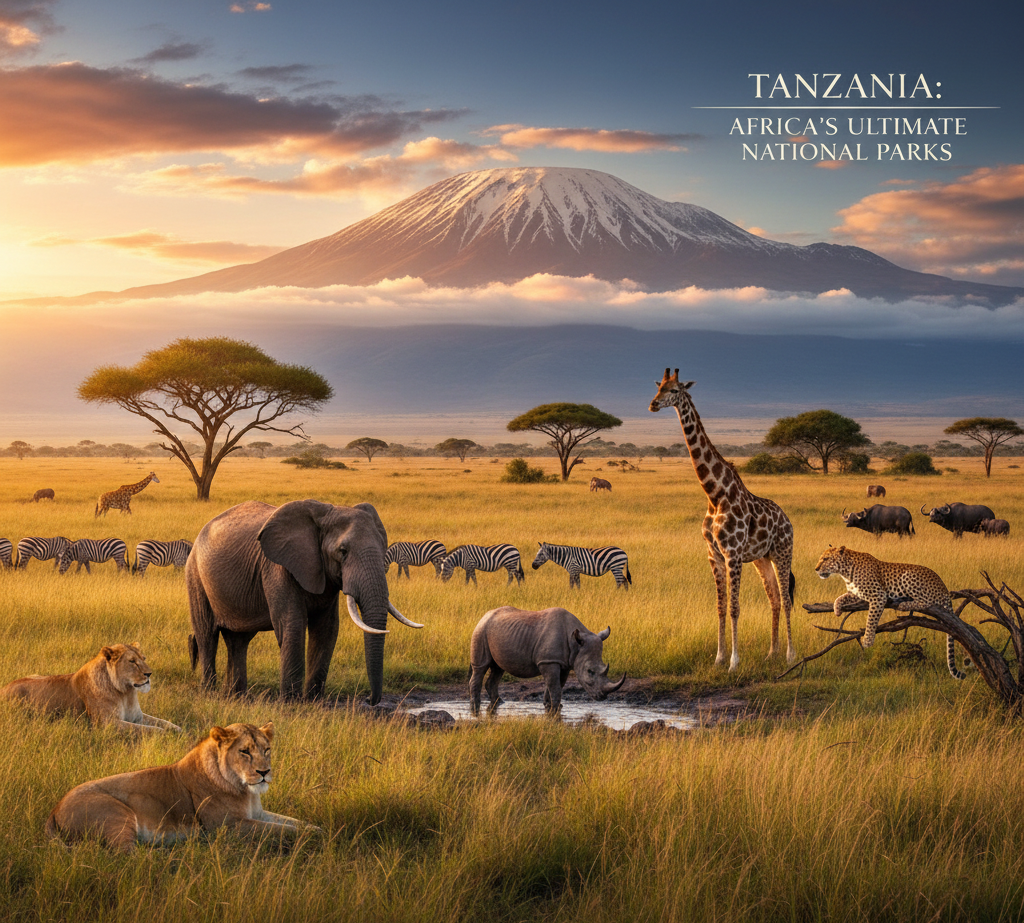
In the heart of the East African plateau, where the savannah meets the rainforest, lies a destination that Winston Churchill famously christened "The Pearl of Africa." Uganda is a country of profound contrasts. It is one of the few places on Earth where one can observe lions prowling the open plains in the morning and track mountain gorillas through dense, mist-shrouded jungles in the afternoon. Unlike its neighbors, Tanzania and Kenya, which are defined largely by their vast savannahs, Uganda offers a condensed, biodiverse experience that combines the best of Central African forests with East African wildlife.
For the discerning traveler, a Uganda Safari is not merely about ticking off the Big Five; it is an immersion into a vibrant ecosystem that hosts over half of the world's remaining mountain gorillas, over 1,000 bird species, and the source of the world's longest river, the Nile. The country's topography ranges from the snow-capped Rwenzori Mountains—the legendary Mountains of the Moon—to the immense Lake Victoria.
This comprehensive guide is designed for travelers seeking the Best National Parks in Africa. We will navigate through the prime protected areas of Uganda, offering expert insight into when to go, where to stay, and how to maximize your experience. Whether you are a photographer chasing the golden hour in Kidepo Valley or a primate enthusiast heading to Kibale, this guide covers the essential logistics and hidden gems of Uganda Tourism.
Top 5 Parks Overview
| Park Name | Best For | Key Wildlife | Best Time |
|---|---|---|---|
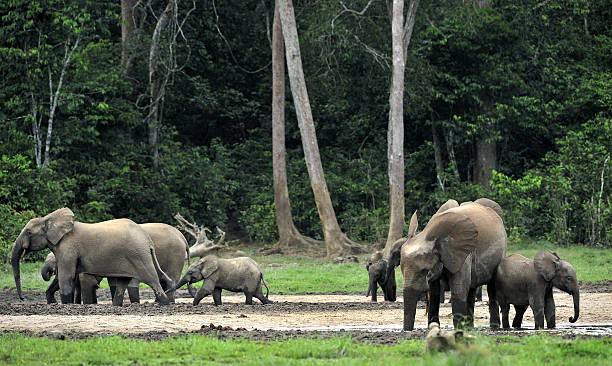
| Bwindi Impenetrable | Gorilla Trekking | Mountain Gorillas, Forest Elephants, L'Hoest's Monkeys | Jun-Aug, Dec-Feb |
| Murchison Falls | Waterfalls & River Safaris | Rothschild Giraffes, Nile Crocodiles, Hippos | Dec-Feb, Jun-Sep |
| Queen Elizabeth | Tree-Climbing Lions | Lions, Leopards, Chimpanzees, Buffalo | Jan-Feb, Jun-Jul |
| Kibale Forest | Chimpanzee Habituation | Chimpanzees, Red Colobus, 375+ Bird Species | Nov-Feb, Jun-Sep |
| Kidepo Valley | Remote Wilderness | Cheetahs, Ostriches, Bat-eared Foxes | Sep-Mar |
Bwindi Impenetrable National Park
The Vibe: Bwindi is primordial. As a UNESCO World Heritage Site, it represents one of the oldest and most biologically diverse rainforests in Africa, dating back over 25,000 years. The atmosphere here is thick with mist and anticipation. Trekking here feels like stepping into a lost world; the terrain is steep, the vegetation is dense, and the silence is broken only by the calls of exotic birds and the rustle of primates. It is the definitive highlight of East Africa Travel for wildlife enthusiasts.
Key Highlights:
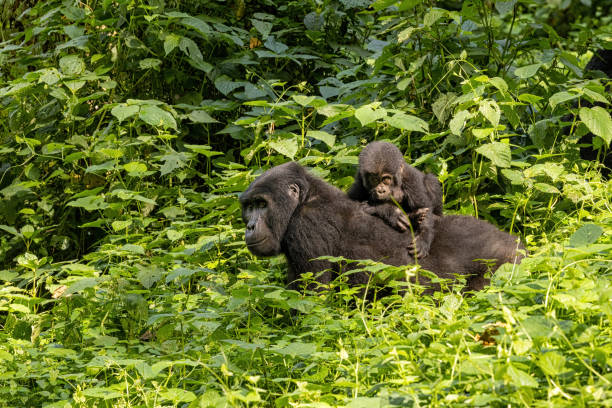
- Gorilla Trekking: Home to almost half of the world's mountain gorilla population. Visitors can trek to one of several habituated families across four sectors: Buhoma, Ruhija, Rushaga, and Nkuringo.
- Bird Watching: Bwindi is a birder's paradise, hosting 350 species, including 23 Albertine Rift endemics like the African Green Broadbill.
- Batwa Cultural Experience: Engage with the Batwa pygmy people, the original inhabitants of the forest, to learn about their ancient hunter-gatherer lifestyle.
Best Time to Visit: The dry seasons from June to August and December to February are optimal. The trails are less slippery, and the gorillas are easier to locate. However, Bwindi is a rainforest, so showers can occur anytime.
Where to Stay:
- Luxury: Sanctuary Gorilla Forest Camp – Located inside the park boundaries, offering unmatched proximity to the trekking start point and occasional gorilla visits to the camp itself.
- Mid-range: Mahogany Springs Lodge – Offers panoramic views of the Munyaga River and the forest canopy, blending comfort with rustic charm.
- Budget: Buhoma Community Rest Camp – A community-run initiative that provides clean, basic bandas and supports local development.
Pro Tip: Book your gorilla permits at least six months in advance. They cost $800 USD per person and are strictly limited to 8 visitors per gorilla family per day. Choose the sector based on your fitness level; Rushaga and Nkuringo generally offer more strenuous hikes than Buhoma.
Murchison Falls National Park
The Vibe: Murchison Falls is Uganda's largest and arguably most dramatic national park. The defining feature is the Victoria Nile, which bisects the park and creates the spectacular falls where the river forces its way through a narrow 7-meter gorge before plunging 43 meters down. The vibe here is powerful and kinetic, dominated by the roar of the water and the vastness of the palm-studded savannah. It captures the essence of a classic Uganda Safari.
Key Highlights:
- The Falls Boat Cruise: A three-hour cruise to the bottom of the falls is mandatory. You will see one of the highest concentrations of hippos and Nile crocodiles in Africa.
- Game Drives in the Northern Sector: The Buligi Game Tracks offer excellent opportunities to spot lions, leopards, herds of buffalo, and the statuesque Rothschild giraffes.
- Top of the Falls Hike: For a visceral experience, hike to the top of the falls to feel the ground shake as the Nile crashes through the gorge.
Best Time to Visit: The best wildlife viewing is during the dry seasons (December to late February and June to September). During these times, animals congregate around the Nile and waterholes.
Where to Stay:
- Luxury: Baker’s Lodge – Set on the south bank of the Nile, this lodge offers river-facing cottages and exceptional service.
- Mid-range: Pakuba Safari Lodge – Located on the East bank of the Albert Nile, it is arguably the best location for early morning game drives.
- Budget: Red Chilli Rest Camp – Popular with backpackers, offering bandas and camping options near the Paraa ferry crossing.
Pro Tip: If you are interested in fishing, Murchison Falls is famous for Nile Perch. Hire a private boat and guide to try and catch a monster fish that can weigh over 100 kilograms.
Queen Elizabeth National Park
The Vibe: Queen Elizabeth National Park (QENP) is the most popular tourist destination in Uganda for a reason. It is incredibly scenic, set against the backdrop of the Rwenzori Mountains and dotted with explosion craters. The park connects Lake George and Lake Edward via the Kazinga Channel. The vibe is one of diversity; within a single day, you can traverse savannah, wetlands, and humid forests. It is a cornerstone of Uganda Tourism.
Key Highlights:
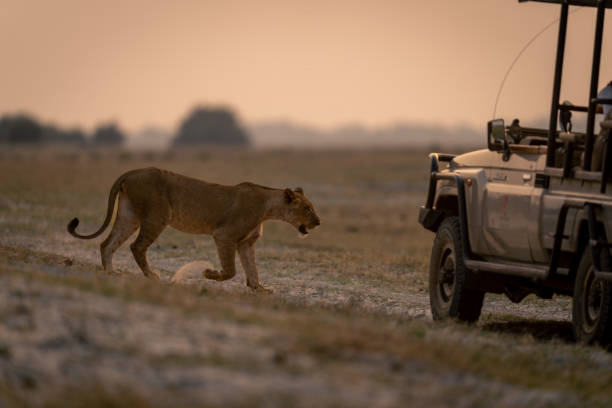
- Ishasha Sector: Famous for its tree-climbing lions. Unlike lions elsewhere, the prides here have developed the habit of sleeping in fig trees to escape the heat and tsetse flies.
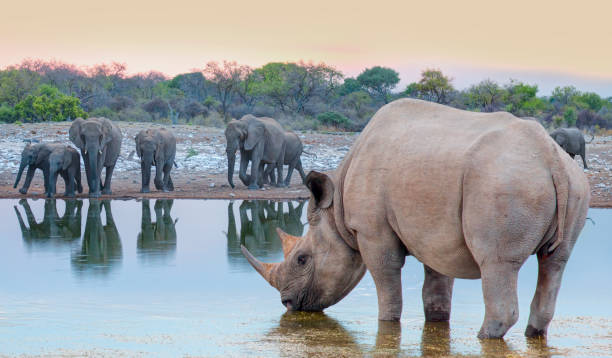
- Kazinga Channel Boat Safari: This trip offers arguably the best birding and hippo viewing in East Africa. Elephants are frequently seen bathing at the water's edge.
- Kyambura Gorge: Often called the "Valley of Apes," this sunken underground forest is home to a habituated family of chimpanzees.
Best Time to Visit: January to February and June to July are the driest months. However, the park is lush and beautiful during the wet seasons (March-May and August-December), though roads can become muddy.
Where to Stay:
- Luxury: Ishasha Wilderness Camp – The only luxury option located within the southern Ishasha sector, offering a true "Out of Africa" riverside experience.
- Mid-range: Mweya Safari Lodge – A historic lodge located on a peninsula overlooking the Kazinga Channel; the location is unbeatable.
- Budget: The Bush Lodge – Offers eco-friendly safari tents that are affordable and provide a close-to-nature feeling.
Pro Tip: Combine your visit with a trip to the nearby Katwe Explosion Craters to see traditional salt mining lakes. It provides a fascinating cultural contrast to the wildlife viewing.
Kibale Forest National Park
The Vibe: Known as the "Primate Capital of the World," Kibale Forest is an auditory and visual feast. The forest canopy is high and dense, filtering the sunlight into shafts of green. The air is filled with the hooting of chimpanzees and the chatter of monkeys. It is less about the open savannah and more about the intricate, chaotic life of the jungle. For those interested in primatology, this is one of the Best National Parks in Africa.
Key Highlights:
- Chimpanzee Tracking: Kibale has the highest density of chimpanzees in East Africa. The success rate of seeing them is over 90%.
- Chimpanzee Habituation Experience (CHEX): Unlike the standard trek, this allows you to spend a full day with researchers and semi-habituated chimps, watching them de-nest, feed, and socialize.
- Bigodi Wetland Sanctuary: A community-run swamp walk nearby that offers incredible sightings of Great Blue Turacos and other primates like the Red Colobus.
Best Time to Visit: The dry seasons are best for trekking (December to February and June to July). However, Kibale is a tropical rainforest, so prepare for humid conditions year-round.
Where to Stay:
- Luxury: Kyaninga Lodge – Perched on the rim of an extinct volcanic crater lake, the log cabins offer breathtaking views and luxury amenities.
- Mid-range: Primate Lodge – Located deep within the forest near the park headquarters, minimizing travel time for early morning treks.
- Budget: Kibale Forest Camp – Offers tented accommodations set in a lush garden environment just outside the park.
Pro Tip: Opt for the Habituation Experience (CHEX) over the standard tracking if you can afford the higher permit cost ($250 vs $200). Four hours with the chimps versus one hour makes a massive difference in understanding their complex social structures.
Kidepo Valley National Park
The Vibe: Kidepo Valley is the wild frontier of Uganda. Located in the remote northeast bordering South Sudan and Kenya, it is rugged, semi-arid, and spectacularly beautiful. The landscape is dominated by Mount Morungole and the Narus Valley. Because of its isolation, it receives fewer visitors than other parks, giving it a sense of exclusivity and raw wilderness that is rare in modern East Africa Travel. It feels like the Africa of fifty years ago.
Key Highlights:
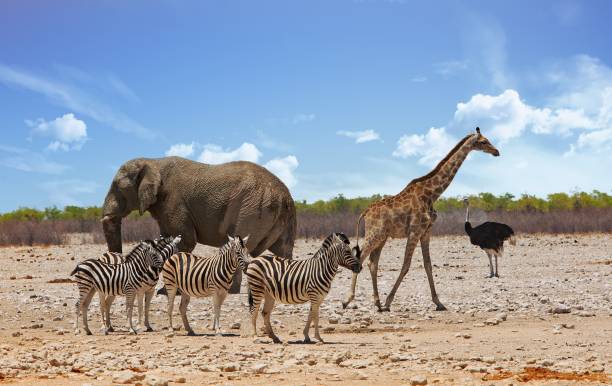
- Unique Wildlife: This is the only park in Uganda where you can find cheetahs and ostriches. It also hosts huge herds of buffalo (up to 4,000 in a single herd).
- The Narus Valley: Because water is scarce, wildlife congregates densely in this valley throughout the year, making game viewing exceptionally easy.
- Karamojong Culture: Visit the local Karamojong manyattas (villages) to witness a culture that has remained largely traditional, centered around cattle herding.
Best Time to Visit: September to March is the dry season and the best time to see animals around water sources. The wet season (April to August) makes the tracks difficult to navigate.
Where to Stay:
- Luxury: Apoka Safari Lodge – A high-end lodge with a swimming pool carved into a rock, offering views of wildlife grazing right outside your room.
- Mid-range: Kidepo Savannah Lodge – Situated on the edge of the park, offering comfortable tented accommodation with stunning views of the Narus Valley.
- Budget: Apoka Rest Camp – Run by the Uganda Wildlife Authority, offering basic bandas. You must bring your own food and supplies.
Pro Tip: Getting to Kidepo by road is a grueling 10-12 hour drive from Kampala. It is highly recommended to take a scheduled flight from Entebbe to the Kidepo airstrip (approx. 2 hours) to maximize your time on safari.
Lake Mburo National Park
The Vibe: Lake Mburo is the smallest of Uganda's savannah national parks, but it is a gem often overlooked. Located conveniently halfway between Kampala and Bwindi, it serves as a perfect stopover. The landscape is defined by rolling hills, acacia woodlands, and a series of lakes. The vibe is relaxed and intimate. Because there are no elephants or lions (though lions are occasionally heard), it is the premier destination for walking safaris and horseback riding.
Key Highlights:
- Walking Safaris: With fewer dangerous predators, you can walk through the park with a ranger, getting close to zebras, impalas, and elands.
- Horseback Safaris: The only national park in Uganda where you can view game from the back of a horse, allowing you to get incredibly close to the animals.
- Night Drives: One of the best places to spot leopards and nocturnal species like the bushbaby and potto.
Best Time to Visit: It is a year-round destination, but the dry seasons (June to August and December to February) are best for game viewing as animals gather around the lake.
Where to Stay:
- Luxury: Mihingo Lodge – Famous for its rocky setting and horseback safaris, it is an eco-lodge that blends perfectly with the environment.
- Mid-range: Rwakobo Rock – Set on a massive granite outcrop just outside the park, offering great views and a peaceful atmosphere.
- Budget: Eagles’ Nest – Tented camp perched high on a hill with a panoramic view of the park, known for its budget-friendly rates.
Pro Tip: If you are driving from Kampala to Bwindi, stop here for one night to break the journey. The "Sundowner" drive here is spectacular.
Practical Travel Guide for Uganda
Best Time of Year
Uganda straddles the equator, meaning temperatures are relatively consistent year-round, usually hovering between 24°C and 29°C (75°F - 84°F). However, the rainfall patterns dictate the tourism calendar.
Dry Seasons (Peak Season): June to August and December to February. These are the best months for gorilla trekking and game viewing. Trails are drier, and vegetation is less dense.
Wet Seasons (Green Season): March to May and September to November. While rain can disrupt plans, the landscapes are incredibly lush, migrant birds arrive, and accommodation prices often drop. Gorilla permits used to be discounted in these months, though this policy changes frequently.
Getting Around
Transport logistics in Uganda can be challenging due to road conditions.
- Road Travel: The most common method is hiring a 4x4 Safari Land Cruiser or Van with a pop-up roof. Roads to Bwindi and Kidepo can be rough. Self-driving is possible but only recommended for experienced off-road drivers.
- Domestic Flights: Aerolink Uganda operates scheduled flights from Entebbe to airstrips near all major national parks (Kihihi for Bwindi, Kasese for Queen Elizabeth, Pakuba for Murchison). This saves hours of driving on bumpy roads.
Estimated Costs
Uganda is generally more affordable than Botswana or Tanzania, but gorilla trekking adds a premium.
- Gorilla Permit: $800 USD (Non-negotiable and must be booked in advance).
- Chimpanzee Permit (Kibale): $200 USD (Tracking) or $250 USD (Habituation).
- Daily Budget (Mid-Range): Expect to spend between $300 - $450 per person per day, including transport, driver/guide, mid-range lodging, and park fees.
- Daily Budget (Luxury): $600 - $1000+ per person per day for fly-in safaris and high-end lodges.
Conclusion
Uganda offers a safari experience that is raw, diverse, and deeply engaging. It does not offer the sheer volume of animals found in the Serengeti, but it offers variety that is unmatched. In a single trip, you can traverse the source of the Nile, stand just meters from a wild mountain gorilla, and watch lions sleep in trees. For the traveler seeking depth over density, the Best National Parks in Uganda deliver an adventure that stays with you forever. If you are planning your next East Africa Travel adventure, look no further than the Pearl of Africa.
Frequently Asked Questions (FAQ)
1. Is Uganda safe for tourists?
Yes, Uganda is considered one of the safest countries in East Africa for tourists. The national parks are heavily guarded by the Uganda Wildlife Authority (UWA) rangers and the Tourism Police. However, always exercise standard caution in cities like Kampala regarding petty theft, and avoid the border areas with DRC unless with a reputable guide.
2. Do I need a visa for Uganda?
Most travelers require a visa. It is highly recommended to apply for the East Africa Tourist Visa online before you travel. This single visa allows entry into Uganda, Rwanda, and Kenya for 90 days, making it perfect for multi-country itineraries.
3. What about Malaria and Yellow Fever?
A Yellow Fever vaccination certificate is mandatory for entry into Uganda. Malaria is prevalent throughout the country. It is essential to take prophylactic medication (like Malarone or Doxycycline), use insect repellent, and sleep under treated mosquito nets provided by lodges.
4. How fit do I need to be for Gorilla Trekking?
Gorilla trekking in Bwindi requires a moderate level of fitness. The hike can last anywhere from 2 to 8 hours, traversing steep, muddy, and uneven terrain at altitudes up to 2,600 meters. Porters are available at the trailhead for a small fee ($15-$20) to carry your backpack and assist you; hiring one is highly recommended to support the local community.