The Best National Parks in Malawi: A Complete Guide
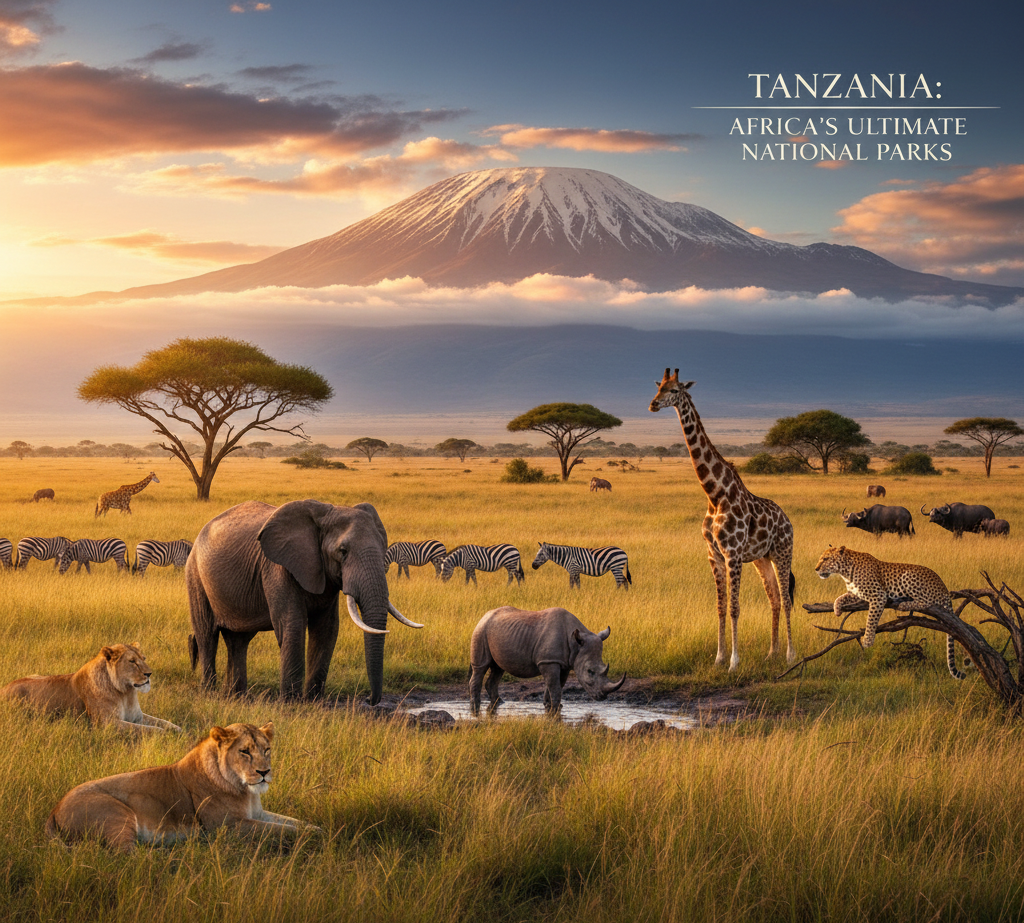
For decades, Malawi was often overlooked by the international safari community, viewed primarily as a beach add-on to a Zambian or Tanzanian itinerary. However, the narrative has shifted dramatically. As a travel journalist who has spent twenty years traversing the African continent, I have witnessed few transformations as profound as the one occurring in Malawi. Known affectionately as the "Warm Heart of Africa," this slender nation, dominated by the glittering Rift Valley lake that shares its name, has re-emerged as a premier wildlife destination.
Imagine a landscape where granite peaks pierce the clouds, rolling plateaus mimic the Scottish Highlands, and dense woodlands open up to reveal pristine river systems teeming with life. This is not merely a place to tick off the Big Five; it is a destination where conservation history is being written in real-time. Through the aggressive and successful management of African Parks in partnership with the Malawian government, reserves that were once depleted by poaching are now thriving ecosystems.
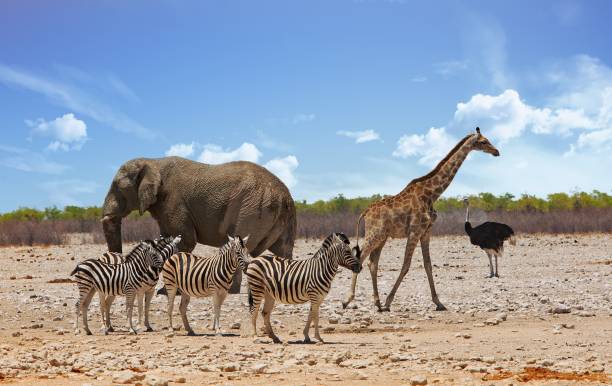
Why visit Malawi now? It remains one of the most uncrowded and authentic destinations in Southern Africa travel. You will not find the bumper-to-bumper jeep jams of the Serengeti or the commercial density of Kruger here. Instead, a Malawi safari offers intimacy, diverse biomes ranging from freshwater deep-water diving to high-altitude trekking, and a warmth of hospitality that is unmatched. This guide provides an in-depth look at the top national parks, practical logistics, and expert advice to help you plan an unforgettable journey.
Quick Comparison: Top 5 Wildlife Destinations in Malawi
| Park Name | Best For | Key Wildlife | Best Time |
|---|---|---|---|
| Liwonde National Park | River Safaris & Predator Sightings | Elephants, Hippos, Cheetahs, Black Rhino | May to October |
| Majete Wildlife Reserve | The "Big Five" Experience | Lions, Leopards, Elephants, Buffalo, Rhino | June to October |
| Nyika National Park | Scenery, Hiking & Unique Antelope | Leopards, Roan Antelope, Zebra, Orchids | Nov to May (Scenery) / Aug to Oct (Game) |
| Lake Malawi National Park | Freshwater Snorkeling & Relaxation | Cichlids (Fish), Fish Eagles, Otters | May to October |
| Nkhotakota Wildlife Reserve | Wilderness Adventure & Walking Safaris | Elephants, Sable Antelope, Buffalo | July to October |
Detailed Breakdown of Malawi's Top National Parks
1. Liwonde National Park
The Vibe:
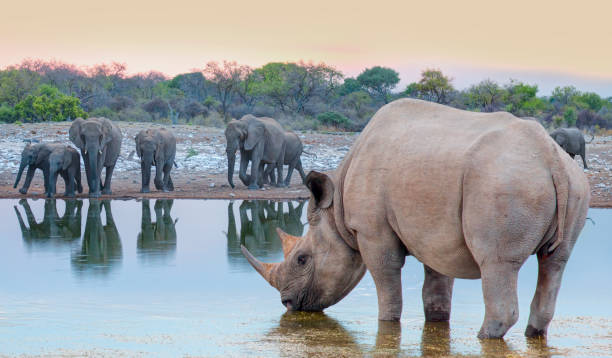
Liwonde is arguably the jewel in the crown of Malawi tourism. Located in the south, the park is defined by the Shire River, which flows from Lake Malawi to the Zambezi. The atmosphere here is prehistoric and lush. Borassus palms silhouette against the sunset, and the air is constantly filled with the grunts of hippos and the trumpet of elephants. It feels wild, aquatic, and vibrant.
Key Highlights:
- River Safaris: The absolute best way to see Liwonde is by boat. You can drift within meters of massive crocodiles and watch elephants bathing on the banks.
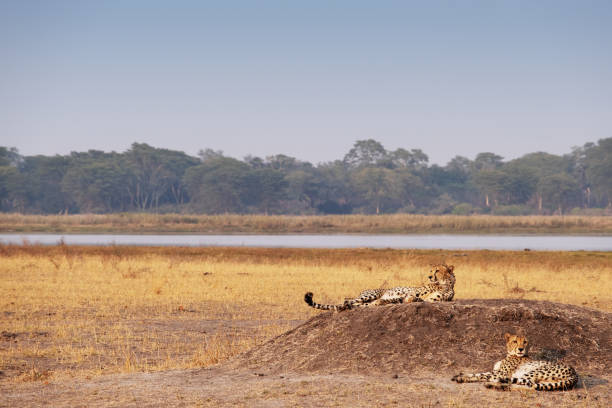
- Predator Resurgence: Thanks to conservation efforts, cheetahs, lions, and wild dogs have been reintroduced and are thriving.
- Rhino Tracking: Liwonde is a sanctuary for the critically endangered black rhino, offering specialized tracking experiences.
- Birdwatching: With over 400 species, including the Pel's fishing owl and Lilian's lovebird, it is a birder's paradise.
Best Time to Visit:
The dry season from May to October is optimal. As the interior bush dries out, animals congregate in massive numbers along the Shire River, making game viewing effortless. October is the hottest month but offers the most dramatic predator-prey interactions.
Where to Stay:
- Luxury: Kuthengo Camp – Nestled on a large open plain stretching towards the Shire River, offering luxury tents with bathtubs and private decks.
- Mid-Range: Mvuu Camp – Offers a fantastic mix of stone and canvas chalets right on the riverbank; the boat departures from here are excellent.
- Budget: Liwonde Safari Camp – A more rustic option located just outside the park gate, popular with self-drivers and backpackers.
Pro Tip:
Do not skip the night drive. Liwonde transforms after dark. It is your best chance to spot servals, genets, and if you are lucky, the elusive pangolin or a hunting leopard.
2. Majete Wildlife Reserve
The Vibe:
Majete is the "Phoenix" of Malawi. Twenty years ago, it was devoid of wildlife due to poaching. Today, it is a flourishing Big Five reserve. The terrain is rugged, characterized by mature miombo woodlands and granite hills. The vibe here is one of triumph and exclusivity; it feels like a secret garden that has been restored to its former glory.
Key Highlights:
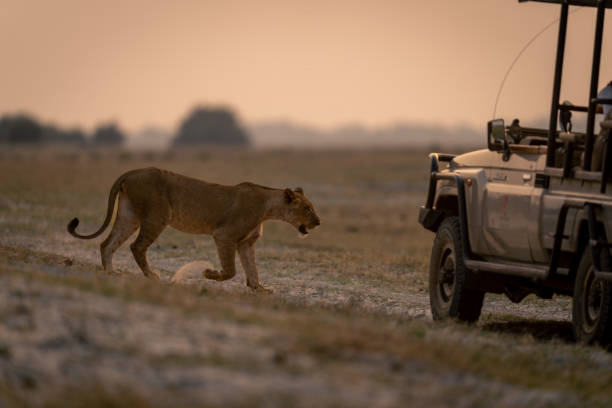
- The Big Five: Majete is the only park in Malawi where you have a consistent chance of seeing lions, leopards, buffalo, elephants, and rhinos in one trip.
- Kapichira Falls: A stunning scenic spot on the Shire River within the reserve, perfect for sundowners.
- Walking Safaris: With experienced guides, walking here is thrilling due to the density of dangerous game, managed with high safety standards.
- Community Success: The reserve is a model for community-based conservation, making your visit directly supportive of local livelihoods.
Best Time to Visit:
June to October offers the best visibility. The vegetation thins out, and water sources become scarce, forcing animals to gather at waterholes and the river. The temperatures in June and July are cooler and pleasant for sleeping.
Where to Stay:
- Luxury: Mkulumadzi Lodge – Operated by Robin Pope Safaris, this lodge is set on a private concession within the reserve, offering chic chalets with "star beds" for sleeping under the sky.
- Mid-Range: Thawale Camp – A tented camp situated around a floodlit waterhole, allowing for game viewing right from the dining area.
- Budget: Community Campsite – Clean, well-managed facilities for campers, with proceeds going to the local community projects.
Pro Tip:
Book a boat trip on the Shire River specifically within the Majete section. The current is stronger here than in Liwonde, creating a dramatic backdrop of rushing water and rocky outcrops where elephants often cross.
3. Nyika National Park
The Vibe:
Nyika is unlike anywhere else in Africa. It is Malawi's oldest and largest national park, located on a high-altitude plateau (over 2,500 meters). The landscape comprises rolling grasslands, valleys, and patches of evergreen forest. It feels less like a typical African savannah and more like the Scottish Highlands, but with zebras. The air is crisp, cool, and often misty.
Key Highlights:
- Unique Wildlife: Home to the highest density of leopards in Malawi, though they can be shy. You will also see vast herds of eland, roan antelope, and Crawshay's zebra.
- Botany: In the rainy season, Nyika bursts into color with over 200 species of wild orchids.
- Activities: This is an activity-heavy park offering mountain biking, trout fishing, and trekking.
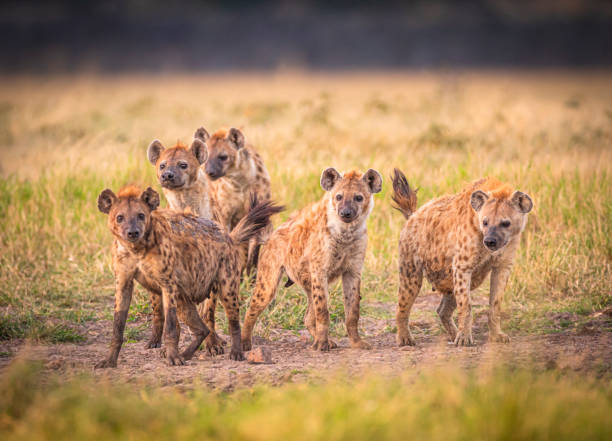
- Night Drives: The open grasslands make spot-lighting for nocturnal animals like hyenas and leopards exceptionally good.
Best Time to Visit:
For game viewing, the dry months of August to October are best. However, for scenery and botany (orchids), the wet season from November to March is spectacular, provided you have a 4x4 capable of handling slippery clay roads.
Where to Stay:
- Luxury/Mid-Range: Chelinda Lodge – Log cabins made of pine with roaring fireplaces, essential for the cold Nyika nights. It offers a cozy, alpine atmosphere.
- Mid-Range: Chelinda Camp – Stone cottages that are comfortable and fully serviced, slightly less luxurious than the lodge but sharing the same views.
- Budget: Camping at Chelinda – Designated areas for intrepid travelers. Be prepared for freezing temperatures at night!
Pro Tip:
Pack warm clothing. Even in the height of summer, temperatures on the plateau drop significantly at night. A fleece and a windbreaker are non-negotiable items for Nyika.
4. Lake Malawi National Park
The Vibe:
A UNESCO World Heritage site, this park protects the southern end of the great lake, specifically the waters and islands around the Cape Maclear peninsula. The vibe is "tropical paradise meets freshwater aquarium." It is laid back, slow-paced, and focused on the mesmerizing clarity of the water.
Key Highlights:
- Cichlid Fish: The park is famous for its hundreds of species of colorful cichlid fish, many of which are endemic. It is an evolutionary radiation comparable to Darwin's finches.
- Water Activities: Snorkeling, scuba diving, and kayaking are world-class here. The water is free of salt and incredibly clear.
- Birdlife: The islands are breeding grounds for thousands of African Fish Eagles. Watching them hunt is a daily spectacle.
- Otters: Keep an eye out for the spotted-necked otters playing near the rocks.
Best Time to Visit:
The lake is great year-round, but May to October brings calm waters and sunny days. November can be very hot, while the rainy season might reduce underwater visibility slightly.
Where to Stay:
- Luxury: Pumulani Lodge – Also known as "The Place of Rest," this Robin Pope property offers villas perched on the hillside with stunning sunset views.
- Mid-Range: Chembe Eagles Nest – Comfortable chalets right on the beach, perfect for families.
- Budget: Fat Monkeys Lodge – The legendary backpacker hub in Cape Maclear, offering camping and dorms right on the sand.
Pro Tip:
Rent a kayak and paddle out to Thumbi West Island. The fish congregate in the shallows there, and you can snorkel directly from your kayak. It is one of the best budget-friendly wildlife experiences in the world.
5. Nkhotakota Wildlife Reserve
The Vibe:
If you crave true wilderness and isolation, Nkhotakota is the answer. It is a vast, rugged terrain of miombo woodland and rivers draining from the escarpment. Historically difficult to access and poached out, it was the site of the historic "500 Elephants" translocation in 2016 and 2017. The vibe is adventurous, raw, and untamed.
Key Highlights:
- Elephant Conservation: Witness one of the largest elephant populations in the country in a habitat that feels endless.
- Walking Safaris: The terrain is perfect for tracking on foot. It is about the small details as much as the big game.
- The Bua River: A beautiful river system that supports excellent birdlife and serves as the lifeline of the reserve.
- Fishing: Catch-and-release fishing for Mpasa (Lake Salmon) is a unique draw here.
Best Time to Visit:
July to October is essential here. The vegetation in Nkhotakota is very thick; during the rains, visibility is near zero. In the dry season, the bush opens up, and animals frequent the river banks.
Where to Stay:
- Luxury: Tongole Wilderness Lodge – An eco-lodge built with red earth and timber, overlooking the Bua River. It is luxurious yet completely integrated into the forest.
- Mid-Range: Bua River Lodge – Offers high-standard tented accommodation. The dining deck overlooks a bend in the river where elephants are daily visitors.
- Budget: Livezi Community Campsite – A basic but functional spot for self-drivers who want to be immersed in nature.
Pro Tip:
Nkhotakota is not for the impatient. The bush is dense. However, sitting quietly on the deck of your lodge and letting the wildlife come to you often yields better results than driving around frantically.
Practical Travel Guide: Planning Your Malawi Safari
Best Time of Year (General Weather)
Malawi has a sub-tropical climate. The year is divided into three main seasons:
- Cool & Dry (May – August): The most comfortable time for travel. Days are sunny and warm, nights are cool. Vegetation starts to dry out, improving game viewing.
- Hot & Dry (September – October): This is prime safari season. Temperatures can soar up to 35°C (95°F) or higher in the valleys (Liwonde/Majete), but wildlife concentrations are at their peak around water sources.
- Warm & Wet (November – April): The "Green Season." Rain can be heavy, and some roads become impassable. However, this is the best time for birding, photography (no dust, clear air), and seeing newborn animals.
Getting Around
By Air: The quickest way to move between parks is via light aircraft. Ulendo Airlink provides scheduled and charter flights connecting Lilongwe to Liwonde, Majete, Nyika, and the Lake. This saves hours of driving time and offers spectacular aerial views.
By Road (Self-Drive): Malawi is often called "Africa for Beginners" because it is relatively safe and compact. However, a 4x4 is highly recommended, and strictly necessary for Nyika and Nkhotakota. Main roads are paved but often potholed. Secondary roads to parks are dirt tracks. Navigation apps work reasonably well, but always carry a paper map and extra fuel.
Transfers: Most lodges offer private road transfers from the major airports in Lilongwe (LLW) or Blantyre (BLZ). This is a stress-free option if you are not comfortable driving on the left side of the road.
Estimated Costs
Malawi is generally more affordable than high-end destinations like Botswana, but safari costs are still significant due to logistics.
- Budget: $150 - $250 per person/day. (Self-drive, camping, cooking own meals, park entry fees).
- Mid-Range: $350 - $600 per person/day. (Comfortable lodges, full board, guided activities included).
- Luxury: $700 - $1,200+ per person/day. (Fly-in safaris, premier lodges like Mkulumadzi or Kuthengo, private guides).
- Park Fees: International visitors typically pay between $10 and $25 per day for park entry, which is very reasonable compared to East Africa.
Conclusion
Malawi has successfully transitioned from a hidden gem to a powerhouse of conservation and adventure tourism. Whether you are gazing at the vast expanse of the Lake, tracking black rhinos in Liwonde, or feeling the chill of the Nyika Plateau, the diversity of experiences here is staggering. It offers the classic African safari experience without the crowds, wrapped in a culture of genuine hospitality. The best national parks in Malawi are not just places to see animals; they are sanctuaries of hope and restoration.
Call to Action: Do not wait until the secret is fully out. Book your Malawi safari today to experience the Warm Heart of Africa while it remains pristine and intimate.
Frequently Asked Questions (FAQ)
Is Malawi safe for tourists?
Yes, Malawi is widely considered one of the safest countries in Africa for tourists. Violent crime against visitors is rare. However, petty theft can occur in cities, so standard precautions apply. The political climate is generally stable, and the local people are incredibly friendly and helpful.
Do I need a visa for Malawi?
Most travelers (including those from the US, UK, and EU) require a visa. Malawi has recently introduced an e-Visa system which simplifies the process significantly. Always check the latest requirements on the official Department of Immigration website before travel, as rules can change.
Can I combine Malawi with Zambia?
Absolutely. This is a very popular "Bush and Beach" combination. Many travelers spend a week on safari in South Luangwa (Zambia) and then transfer (a short flight or a 4-5 hour drive) to Lake Malawi for relaxation and water activities. It is arguably one of the best multi-country itineraries in Southern Africa travel.
Are there malaria concerns in the national parks?
Yes, malaria is present throughout Malawi, particularly in low-lying areas like Liwonde, Majete, and the Lake shore. It is essential to consult a travel doctor for prophylaxis before your trip, use insect repellent, and sleep under mosquito nets provided by lodges.